In a major step toward strengthening environmental sustainability and combating rising air pollution in the National Capital Region, the Green Pencil Foundation, in CSR partnership with TaskUS and with support from the Municipal Corporation Manesar, Gurugram, conducted a Mega Tree Plantation Drive to develop a “Green Wall” around Village Nawada Fatepur, Sector 86, Gurugram.

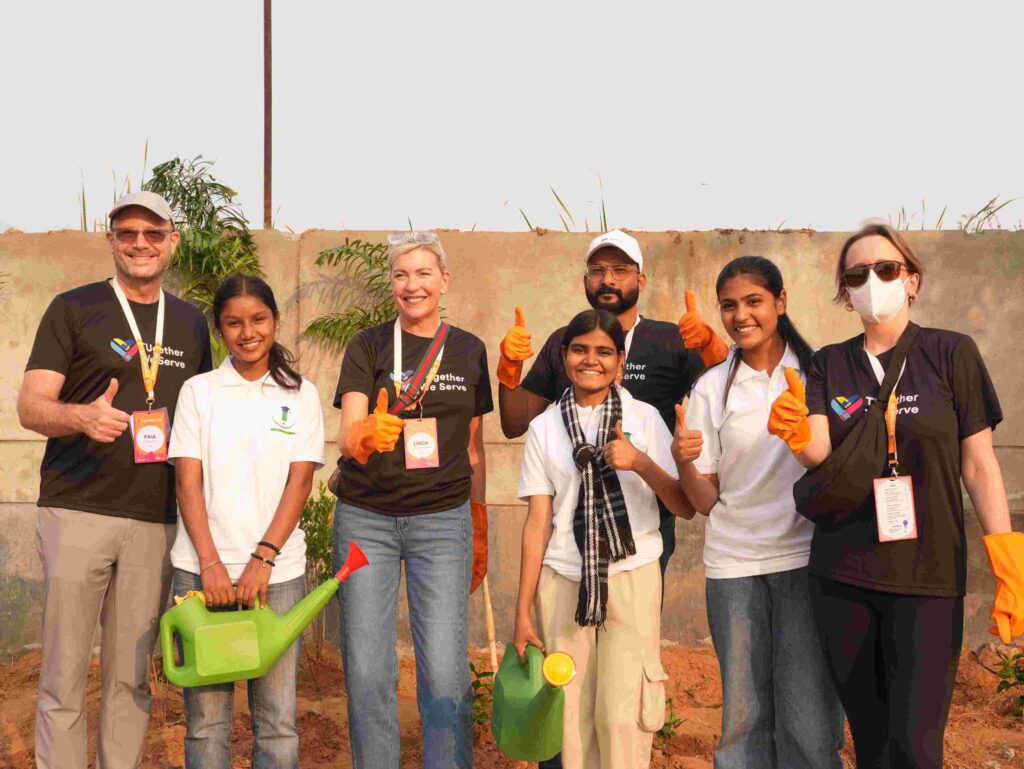
The initiative brought together corporate leaders, civic authorities, volunteers, and local residents, reflecting a unified commitment to ecological restoration and greener urban development.
Corporate and Community Leaders Join Hands
The event saw the participation of:
43 delegates from TaskUS Global Leadership Team
Deputy Mayor of Gurugram, Ms. Reema Chauhan
Green Pencil Foundation Founder, Mr. Sandy Khanda
30 volunteers from Green Pencil Foundation
30 villagers from Nawada Fatepur, including the Village Head and community representatives
Officials from the Municipal Corporation Manesar
Together, these stakeholders planted 500 trees, forming the foundation of Gurugram’s emerging Green Wall.
500 Trees to Contribute Long-Term Environmental Benefits

Environmental experts estimate that:
Each tree absorbs 22 kg of carbon dioxide annually.
500 trees = 11,000 kg (11 metric tons) of CO₂ absorbed every year.
A mature tree produces enough oxygen for two people annually.
500 trees = oxygen supply for approximately 1,000 people each year.
Over ten years, these plantations are expected to offset more than 110 metric tons of CO₂, making a significant contribution to improving Gurugram’s air quality.

The Green Wall is designed as a long-term environmental barrier, reducing pollution, enhancing biodiversity, and lowering ambient temperatures around the village.
Strong Focus on Plant Survival and Maintenance
Unlike one-day plantation programs, this initiative prioritizes long-term success. The Green Pencil Foundation, along with TaskUS volunteers and the Municipal Corporation Manesar, has undertaken full responsibility for the maintenance, watering, and regular monitoring of the 500 plants to ensure a high survival rate.
Local villagers have also been engaged in the care process, strengthening community participation and ownership.