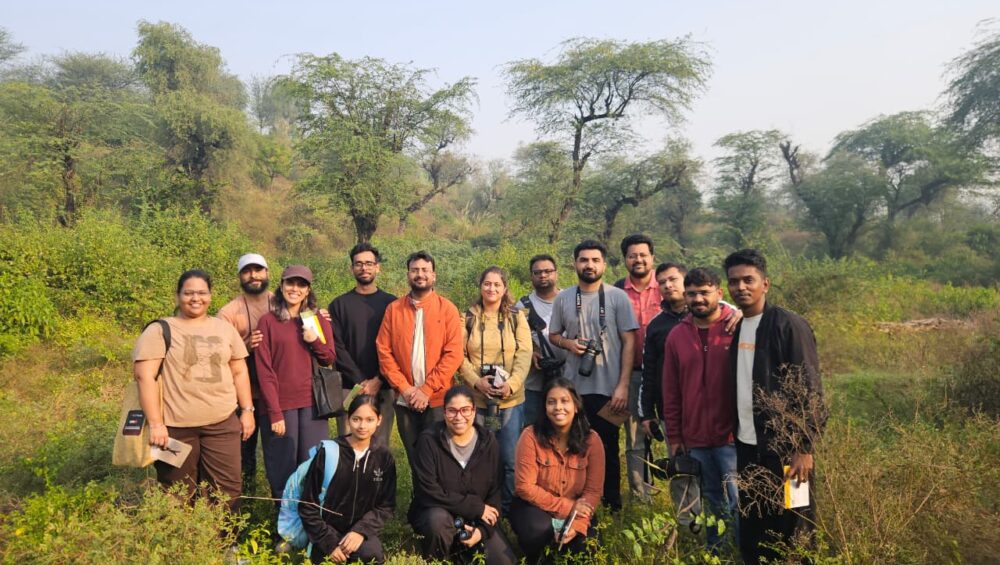
A morning of birdwatching, nature education and biodiversity awareness highlights the ecological importance of the Aravalli landscape.
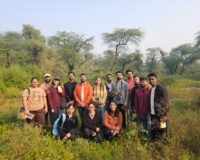
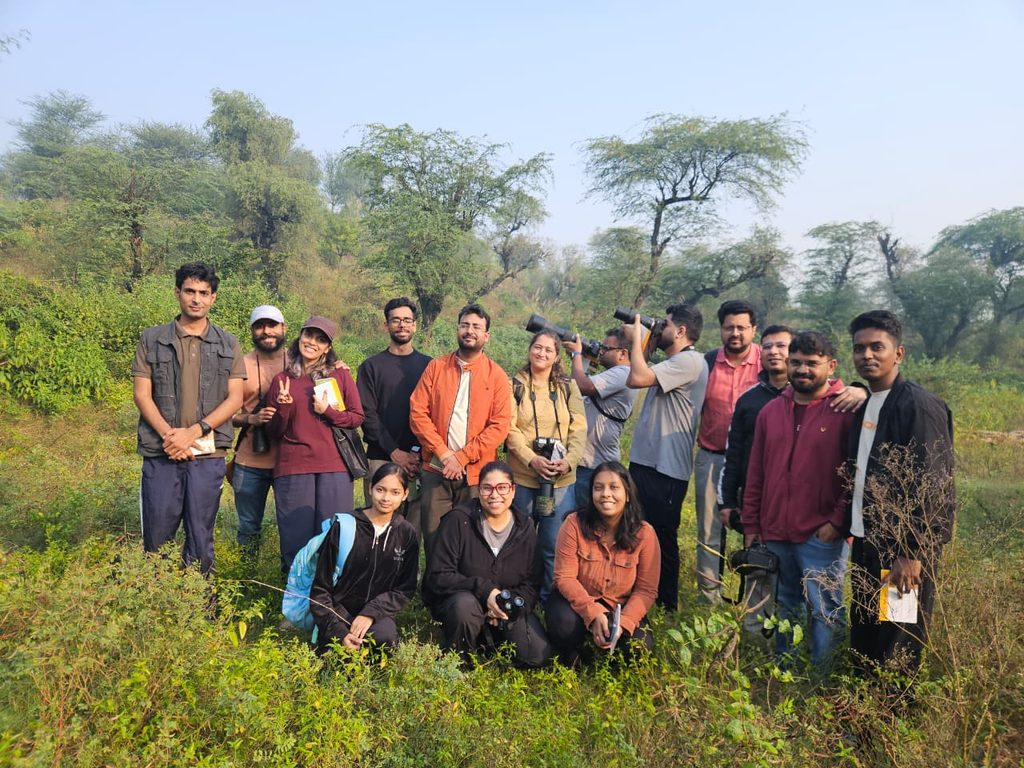
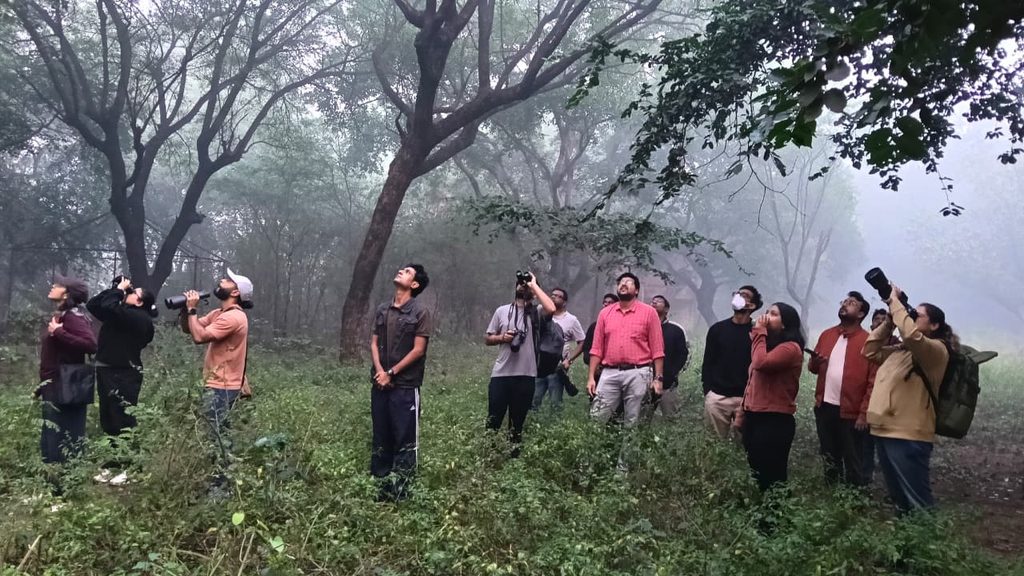
GURUGRAM, 1 November 2026: In an effort to encourage nature education, promote biodiversity awareness and reconnect people with their natural surroundings, Green Pencil Foundation, in collaboration with Ataavi Bird Foundation, organised a Bird Guide Walk at Bhondsi Forest, Gurugram, on Sunday, 1 November 2026, from 6:30 AM to 9:00 AM.
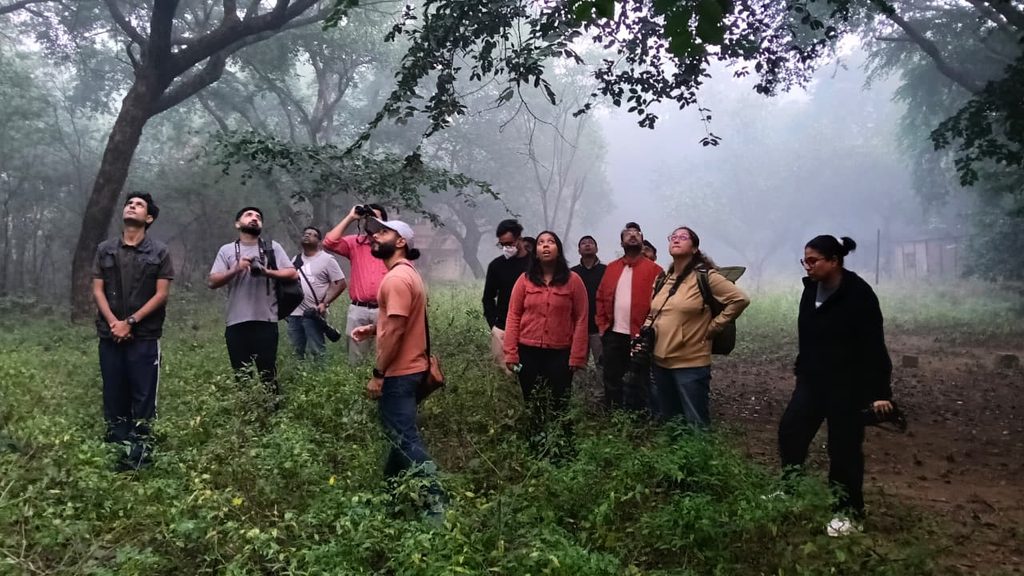
The 2.5-hour guided walk offered participants an opportunity to explore the forest landscape, observe birds in their natural habitats, identify different species and understand their behaviour, calls and ecological importance.
The walk was facilitated by Sandy Khanda, Founder of Green Pencil Foundation, along with Vedika Aggarwal, a Gurugram volunteer with the Foundation. Through guided observation and conversations along the forest trail, participants experienced how nature can become an engaging outdoor classroom.
Bhondsi Forest: An Important Biodiversity Landscape of Gurugram
Located along Sohna Road, Bhondsi Nature Park, commonly known as Bhondsi Forest, is part of the ecologically significant Aravalli landscape surrounding Gurugram. The forest is an important natural space in a rapidly urbanising region where green spaces and wildlife habitats face increasing pressure.
The forest covers approximately 100 acres of terrain, with scrubland, woodland, rocky patches and seasonal water bodies creating different habitats for birds and other wildlife.
According to biodiversity information published by Ataavi Bird Foundation, 254 bird species have been recorded at Bhondsi Forest. The site is also described as supporting nearly 46% of Haryana’s bird species. These records underline the importance of conserving smaller urban and peri-urban forest habitats.
The diversity of habitats supports resident birds as well as seasonal visitors. Raptors, woodland birds, insect-eating species and water-associated birds all contribute to the ecological richness of this landscape.
For residents of Gurugram and Delhi-NCR, Bhondsi Forest offers an opportunity to experience wildlife without travelling far from the city.
Bird Discoveries: Learning Through Observation
During the 1 November walk, participants observed several fascinating bird species, including:
- Shikra: A small bird of prey that plays an important role in controlling populations of smaller animals.
- Woodpecker: Known for its specialised beak and ability to forage for insects in tree trunks and branches.
- Purple Sunbird: A small, colourful bird that feeds on nectar and also contributes to pollination.
- White-throated Kingfisher: Recognisable by its striking blue wings and contrasting white throat, it feeds on insects and small animals.
- Wagtail: An active bird often recognised by its characteristic tail movement.
- Prinia: A small, active bird commonly found in scrub and grassland habitats.
- Barbet: A tree-dwelling bird known for its distinctive calls and fruit-eating habits.
Rather than simply identifying birds, participants were encouraged to observe their movements, feeding habits, vocalisations and interactions with their surroundings.
Every sighting became an opportunity to understand the relationship between birds, trees, insects, water bodies and the wider ecosystem.
Why Birdwatching Matters for Nature Education
Birdwatching is much more than a recreational activity. It is an accessible way to introduce people to ecology, biodiversity and environmental conservation.
Birds are important indicators of ecosystem health. Their presence, diversity and behaviour can provide valuable information about habitat conditions, food availability and environmental changes.
Different bird species perform important ecological functions:
1. Natural pest control: Insect-eating birds help regulate insect populations and contribute to ecological balance.
2. Pollination: Nectar-feeding birds, including sunbirds, can contribute to pollination while feeding on flowers.
3. Seed dispersal: Fruit-eating birds help disperse seeds and support natural regeneration of vegetation.
4. Food-web balance: Birds of prey, such as the Shikra, occupy important positions in food webs and help regulate populations of smaller animals.
5. Environmental observation: Changes in bird populations and seasonal movements can help researchers and nature enthusiasts understand changes in local habitats.
A guided bird walk allows participants to develop these understandings through direct observation rather than relying only on classroom learning.
Understanding the Larger Biodiversity of Haryana
Haryana’s biodiversity is often overlooked because of its rapidly developing cities and limited natural forest cover. However, the state supports a significant variety of resident and migratory wildlife.
According to the Haryana Forest Department, approximately 500 bird species have been recorded in Haryana. This makes the conservation of the state’s forests, wetlands, grasslands and other natural habitats particularly important.
The Aravalli landscape, extending across southern Haryana and adjoining regions, provides habitats for birds, mammals, reptiles, insects and native vegetation. These ecosystems also perform essential environmental functions, including supporting groundwater recharge, regulating local microclimates, storing carbon and reducing land degradation.
Bhondsi Forest is one example of how natural habitats near urban settlements can support biodiversity and provide opportunities for environmental education.
Responsible Birdwatching: Observe Without Disturbing
The walk also reinforced an important principle of wildlife conservation: observing nature should never come at the cost of disturbing it.
Responsible birdwatching involves:
- Maintaining a respectful distance from birds and their nests.
- Avoiding loud noises and sudden movements.
- Never using playback calls to attract birds.
- Avoiding littering and carrying back all waste.
- Staying on permitted trails and respecting sensitive habitats.
- Avoiding flash photography and disturbance during nesting.
These simple practices help ensure that birdwatching remains a positive experience for both people and wildlife.
Green Pencil Foundation’s Commitment to Experiential Nature Education
Green Pencil Foundation believes that environmental awareness must move beyond discussions and become part of everyday experiences.
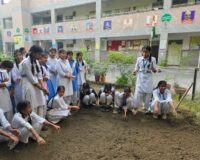
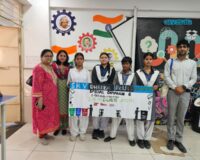
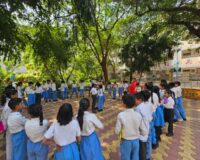
Through nature walks, birdwatching sessions, biodiversity activities, plantation drives, school-based environmental education and community engagement, the Foundation aims to encourage people to understand and protect the natural world.
The collaboration with Ataavi Bird Foundation reflects the value of working together to make nature education more accessible and engaging for urban communities.
The Foundation plans to continue organising Bird Guide Walks across Delhi-NCR, encouraging students, families, young people and beginners to explore local biodiversity and develop a stronger connection with nature.
Join the Next Bird Guide Walk
You do not need to be an expert birder or wildlife enthusiast to participate. A little curiosity, patience and willingness to learn are enough to begin.
Green Pencil Foundation invites students, families, working professionals and nature lovers to join its upcoming weekend Bird Guide Walks.