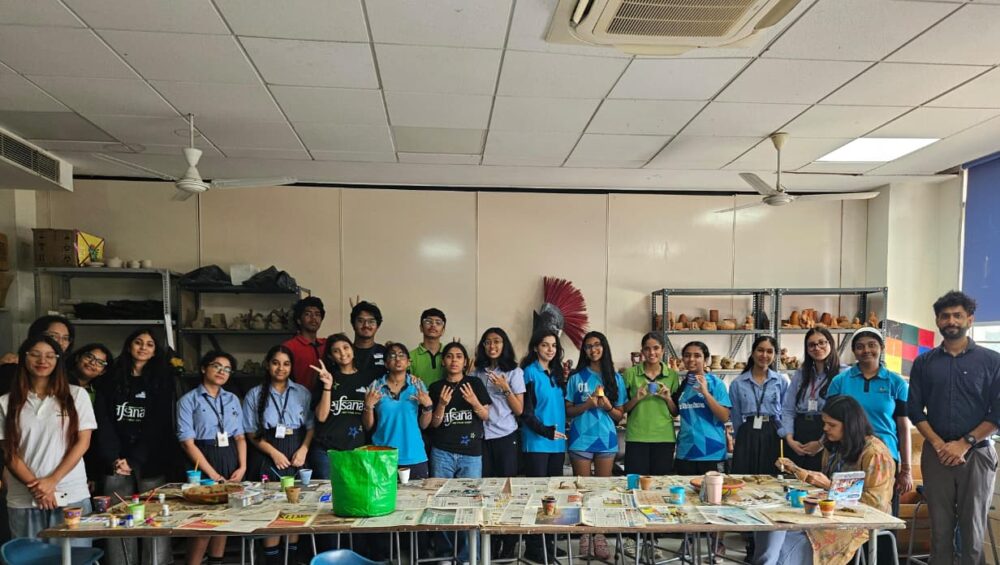
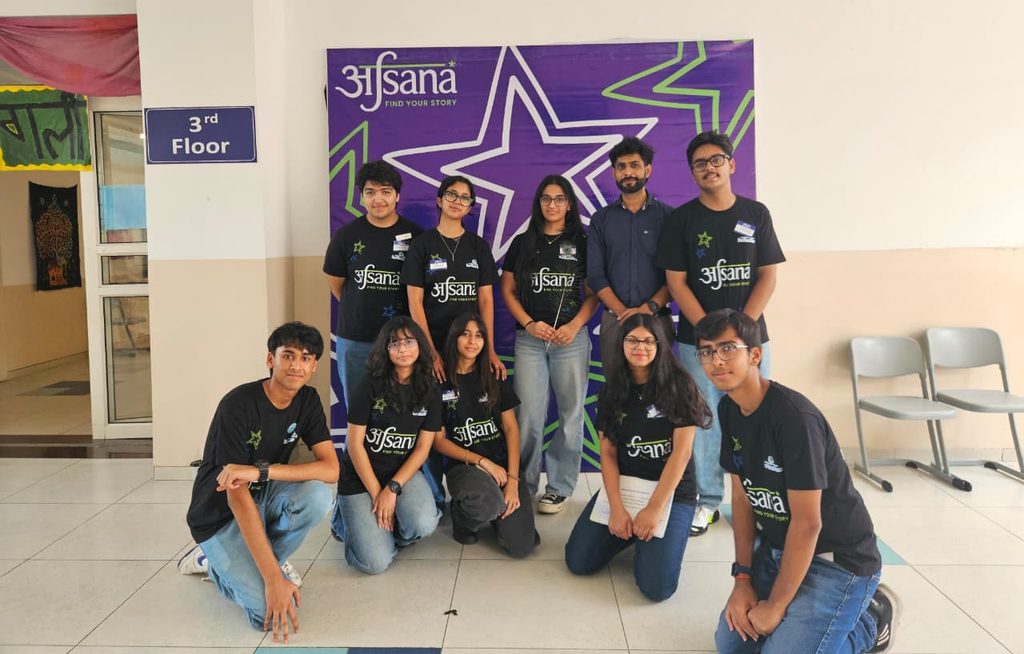
Art has always been more than colours, shapes and imagination. In many cultures, it has also been a way of understanding nature and using natural resources with care. This connection came alive at the Art, Soil & Environment Workshop, organised by Green Pencil Foundation during the Afsana Art Festival at Shiv Nadar School, Gurugram, on 21 August 2026.
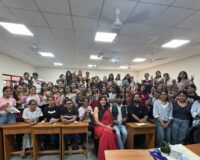
The workshop brought together around 30 participants, including students from Shiv Nadar School, Gurugram, as well as students who joined from other schools. The session offered participants an opportunity to look at soil not simply as something beneath our feet, but as a natural material with which people have created art, utility products and traditions for generations.
Understanding the Story Behind Soil-Based Products
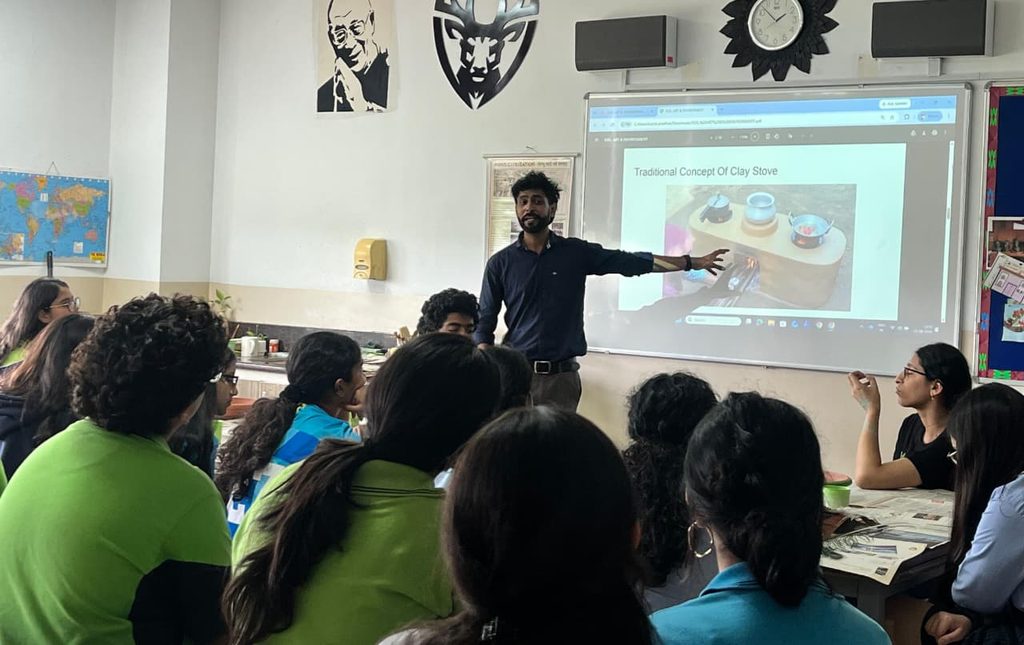
The workshop began with a presentation by Sandy Khanda, who introduced participants to different soil-based products that have been part of everyday life and local traditions for decades.
From traditional earthen pots and kulhads to handmade clay products, these objects tell a story of how communities have traditionally worked with locally available natural materials. They are not only functional products but also examples of local craftsmanship, traditional knowledge and sustainable living.
The discussion encouraged students to think about an important question: Can something as simple as soil become a bridge between art, culture and sustainability?
The answer became clearer as participants explored the process themselves.
From Natural Soil to Workable Clay
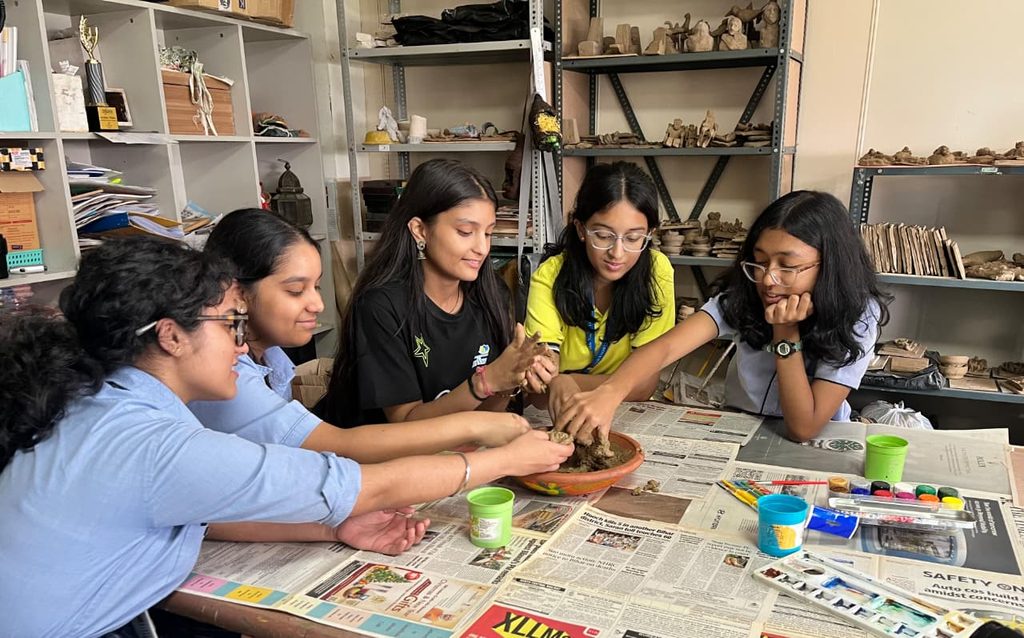
The first hands-on activity focused on the transformation of natural soil into workable clay.
Participants experienced the process of preparing the material and then used it to create something of their own. Rather than giving them a fixed design to copy, the activity encouraged them to make something that carried a personal meaning or a deeper sense of connection.
For many participants, this was an opportunity to slow down, work with their hands and experience a material that is often overlooked in everyday life.
The activity also demonstrated a simple principle of sustainability: nature can provide materials for creativity without always requiring complex or highly processed resources.
Art Without Boundaries
The second activity took a different approach to creativity.
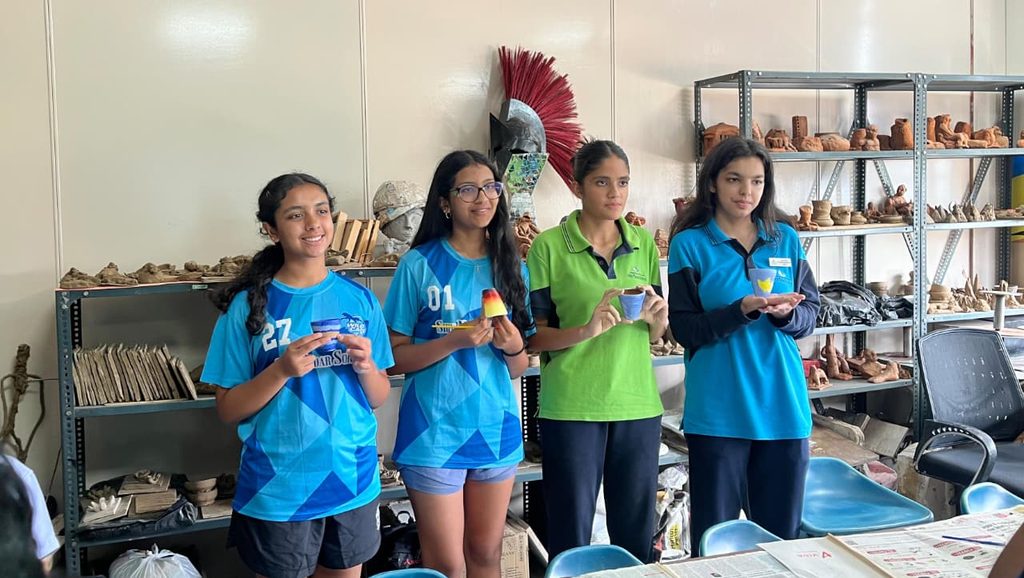
Participants were given clay-based Kulhads and watercolours and invited to paint without any predefined boundaries. There was no compulsory pattern, no fixed theme and no right or wrong way to create.
The idea was simple let the imagination lead.
Students experimented with colours, patterns and ideas, turning ordinary Kulhads into individual pieces of art. The activity gave them the freedom to express themselves while working with a traditional, biodegradable material.
It also created an interesting contrast: the Kulhad, a simple traditional object, became a canvas for contemporary imagination.
Where Art Meets Sustainability
The workshop highlighted how art, soil and sustainability are closely connected.
Traditional soil-based products demonstrate how communities have historically used natural and locally available materials. Handmade processes also carry cultural knowledge from one generation to another. At the same time, choosing biodegradable and nature-based alternatives can encourage us to rethink our dependence on disposable and synthetic products.
For students, this connection became easier to understand through experience rather than theory. They could touch the soil, work with the clay, create something with their hands and see how a natural material can become both useful and beautiful.
Learning Through Hands-On Experiences
One of the most meaningful aspects of the workshop was that participants were not just listening to a presentation. They were learning by doing.
The activities encouraged curiosity, creativity and environmental awareness while introducing students to traditional material practices. Working with soil also offered a moment to reconnect with something fundamental the material from which much of our built environment and traditional crafts have emerged.
The workshop was a reminder that sustainability does not always have to begin with complicated solutions. Sometimes, it can begin with understanding what we already have around us and learning to use it responsibly.
A Step Towards More Sustainable Creativity
Through the Art, Soil & Environment Workshop, Green Pencil Foundation aimed to create a space where environmental education could meet creativity and traditional knowledge.
The experience at Afsana Art Festival showed that sustainability can be engaging, colourful and hands-on. When students are given the freedom to explore natural materials, they can discover environmental lessons in unexpected ways.
The workshop at Shiv Nadar School, Gurugram, was therefore not just about making clay objects or painting Kulhads. It was about understanding a deeper relationship between soil and people, tradition and creativity, and art and the environment.
As we look for more sustainable ways of living, perhaps some of the answers are already beneath our feet.
Soil can be a material.
Art can be an expression.
And together, they can become a lesson in sustainability.