New Delhi | 7 October 2026
What if students could understand nature not only by reading about it, but by touching it, shaping it and creating something with it?
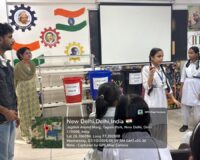
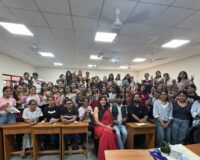
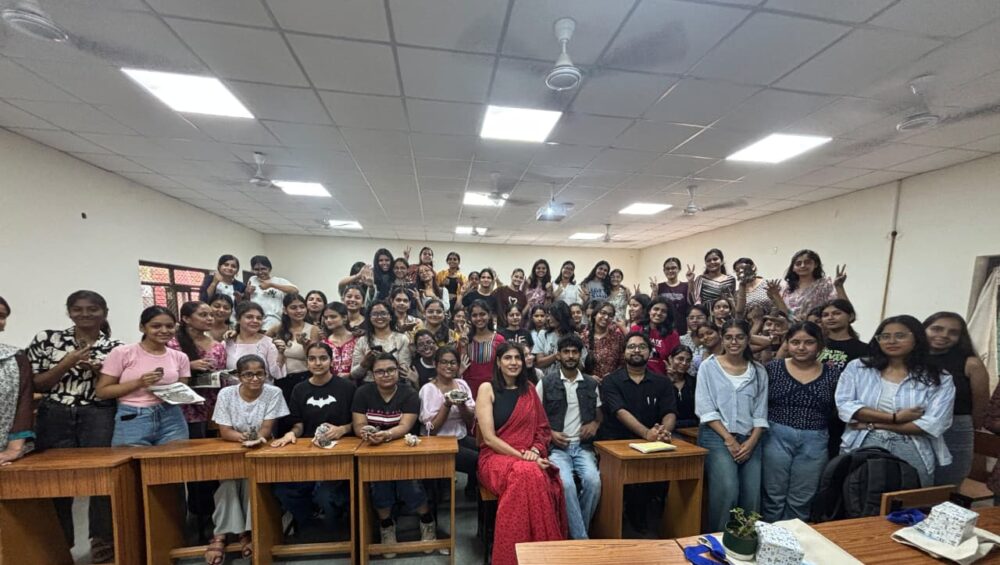
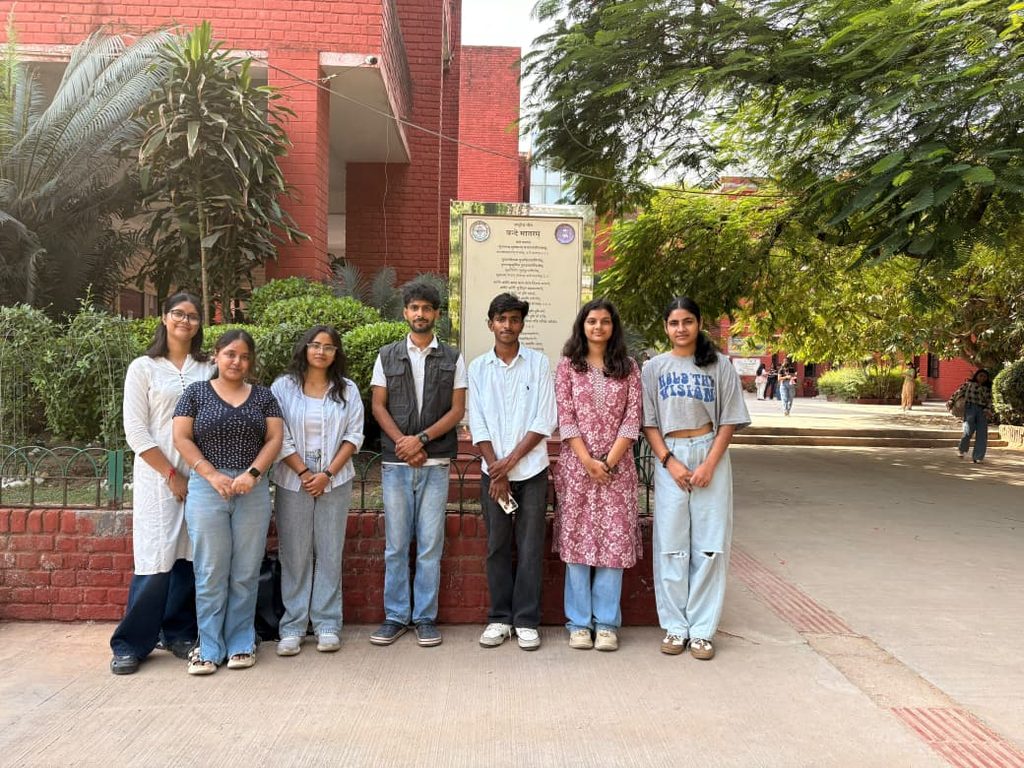
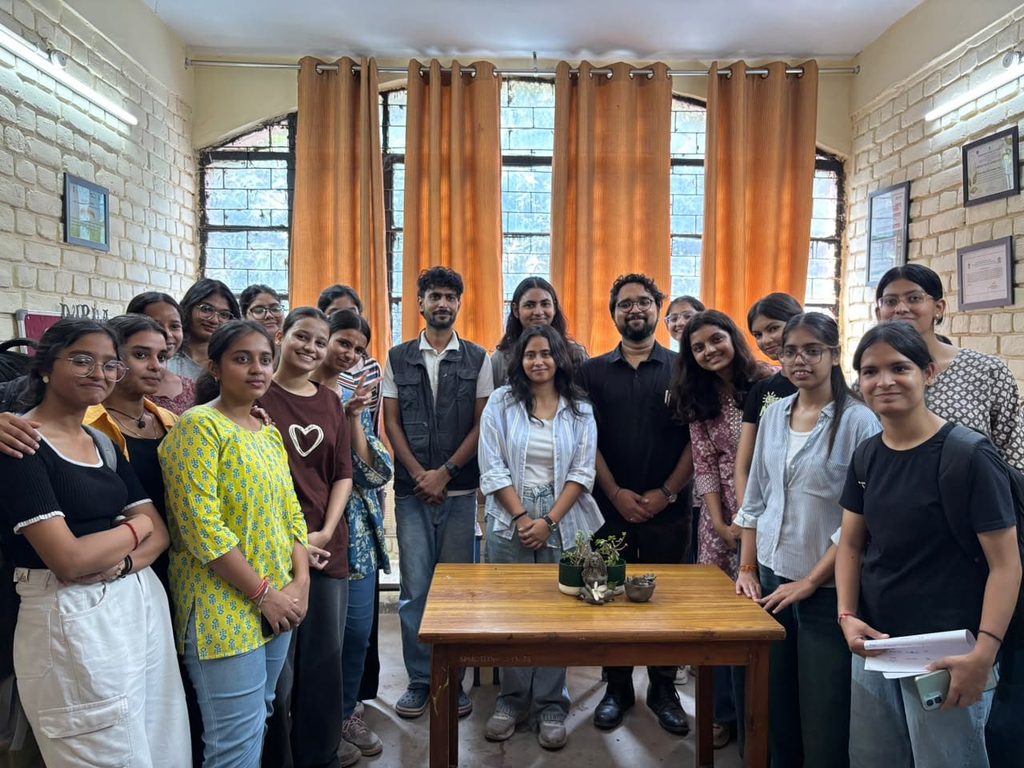
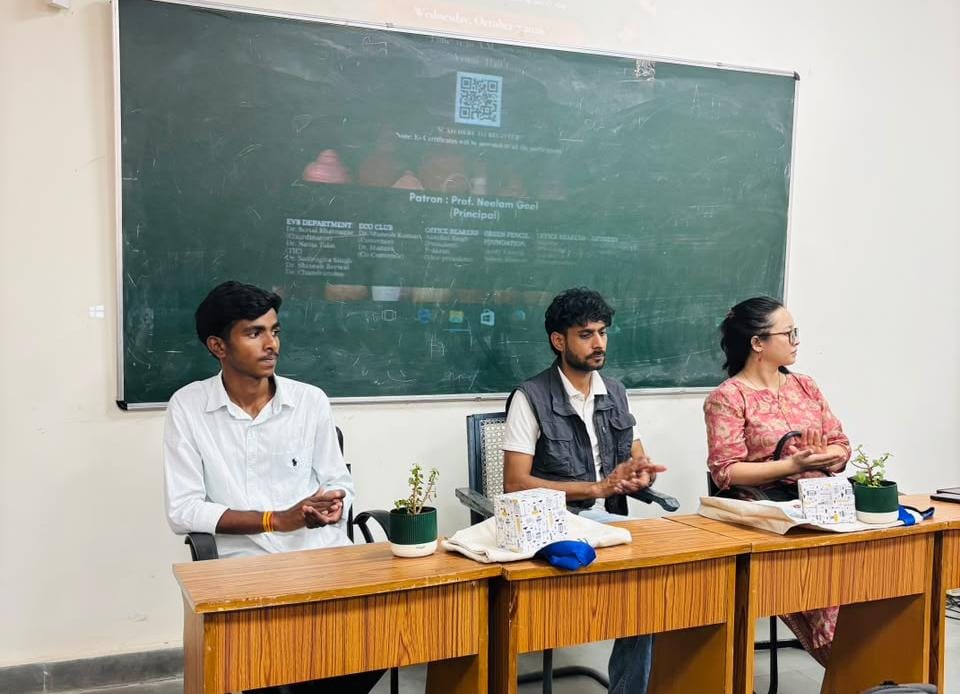
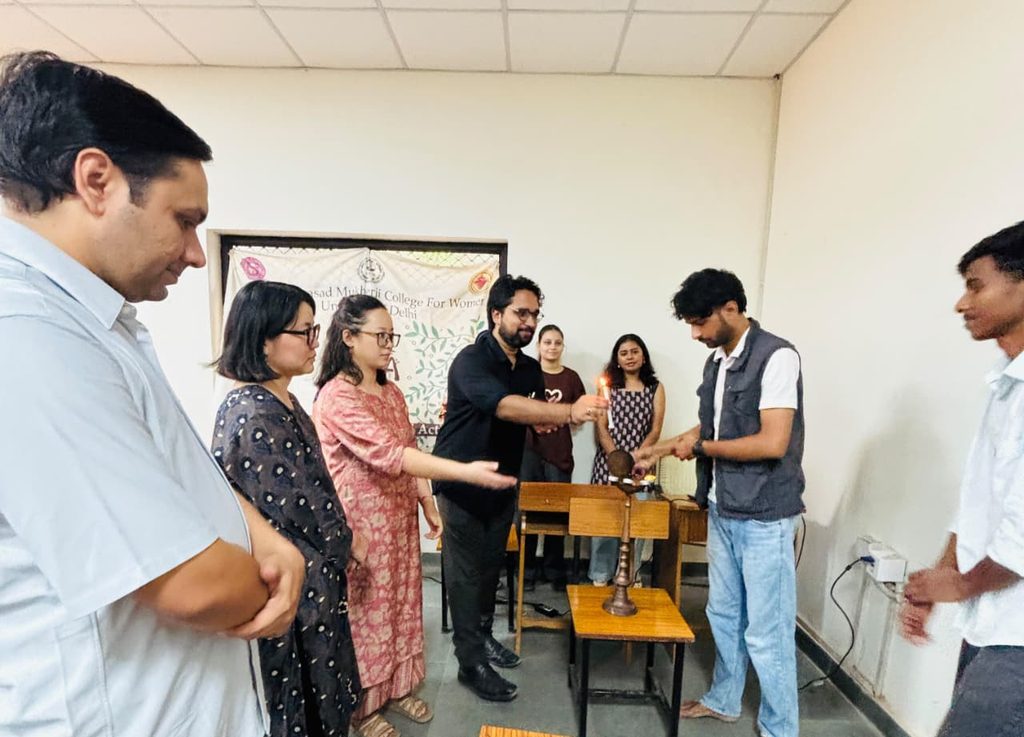
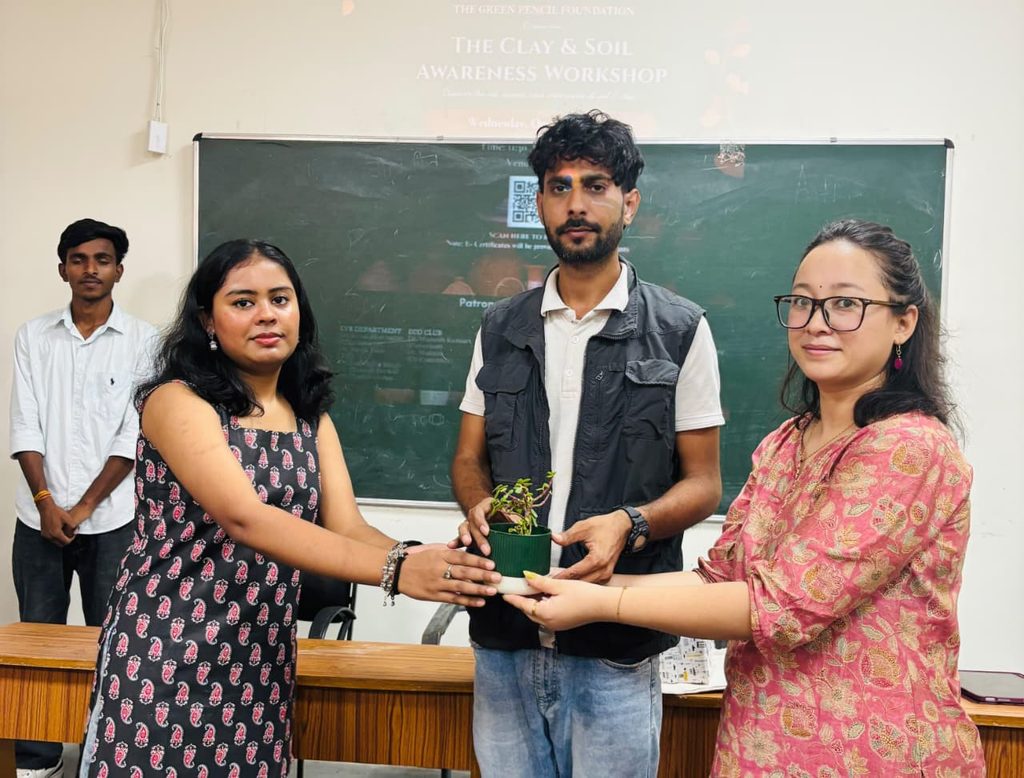
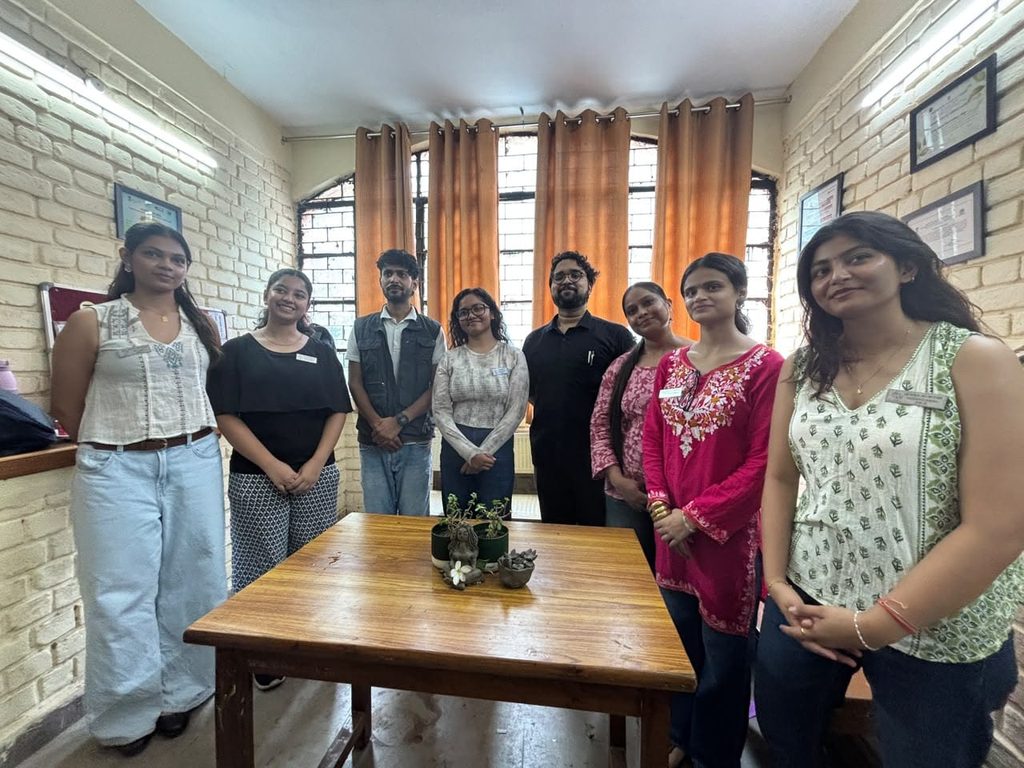
This idea came alive at Shyama Prasad Mukherjee College, University of Delhi, where Green Pencil Foundation, in collaboration with Durva Eco Club, organised a Soil Art Workshop on 7 October 2026 from 11:30 AM to 1:00 PM.
The workshop brought together soil, art, biodiversity and environmental education in one hands-on experience. Students worked with natural soil, transformed it into workable clay and created models inspired by the natural world.
But the workshop was about much more than making art.
It was an opportunity to look at something we often walk over every day the soil beneath our feet and understand its importance to life on Earth.
Soil: The Foundation Beneath Our Feet
Soil is often treated as simply dirt or a medium in which plants grow. In reality, healthy soil is a complex and living system.
A handful of healthy soil can contain minerals, organic matter, air, water and countless microscopic organisms. Bacteria, fungi, insects, worms and other soil organisms interact continuously, helping decompose organic matter, recycle nutrients and support plant growth.
The health of soil is therefore closely connected with the health of ecosystems.
Plants depend on soil for nutrients and physical support. Plants, in turn, provide food and habitat for insects, birds and other organisms. These relationships form interconnected food webs that contribute to biodiversity.
When we talk about protecting forests, wetlands, grasslands or urban green spaces, we are also talking about protecting the soil systems that support them.
This is why understanding soil is an important part of understanding nature.
From Soil to Art
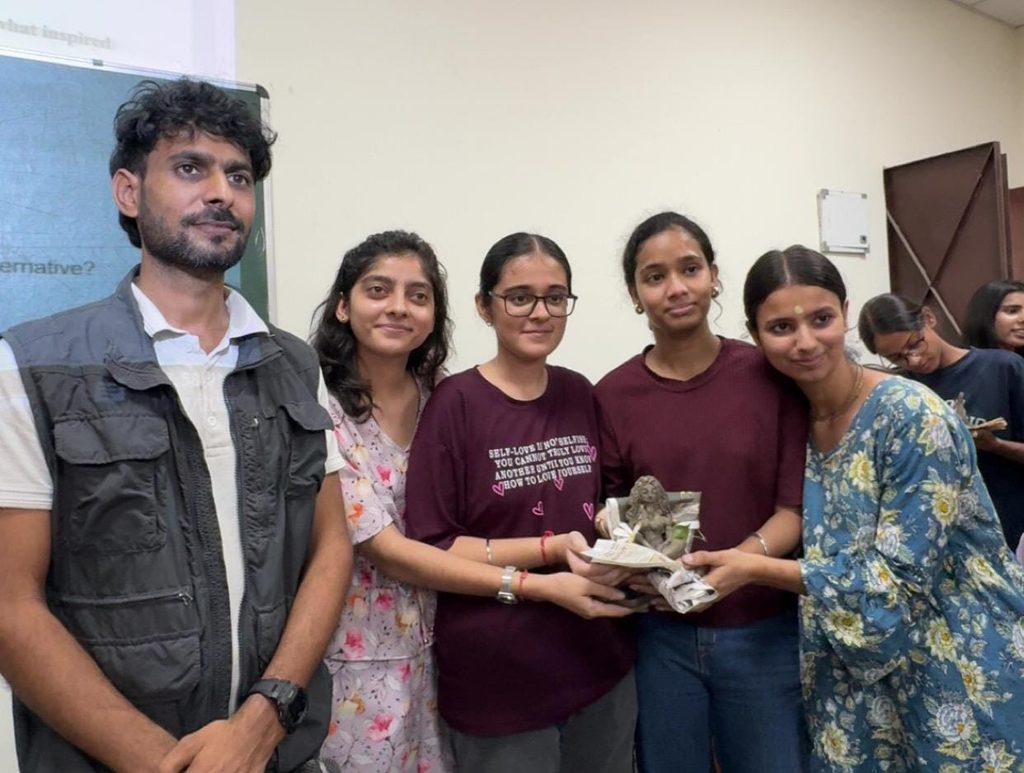
During the workshop, students explored soil through a completely different lens—not as something beneath their feet, but as a creative and natural material.
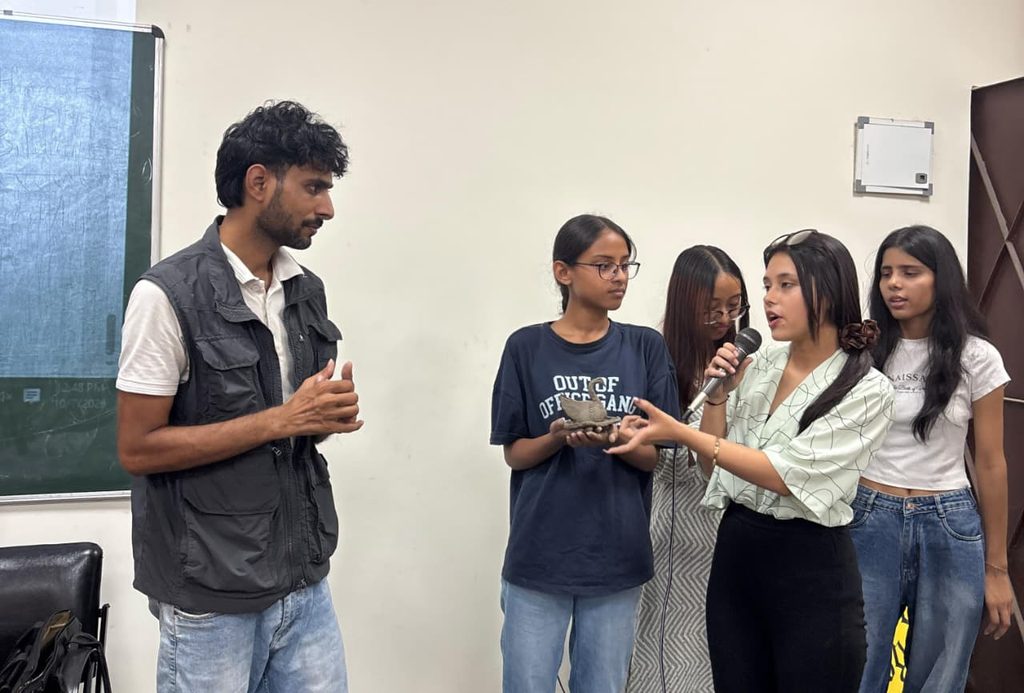
The natural soil was worked into a clay-like medium that students could shape with their hands. They experimented with form, texture and structure and created workable models inspired by biodiversity, wildlife and nature.
The transformation was simple but powerful:
Soil → Material → Imagination → Art → Environmental Expression
Students were able to take an ordinary natural material and give it a new form through their own creativity.
This process also encouraged them to observe nature more carefully. Instead of simply looking at biodiversity as a textbook concept, they began thinking about the shapes, forms, organisms and ecosystems that surround them.
Why Art Matters in Environmental Education
Environmental education is often associated with lectures, presentations, campaigns and awareness programmes. These approaches are important, but learning can become much more meaningful when students are given an opportunity to experience environmental concepts directly.
Art creates that opportunity.
Art allows students to interpret nature through their own imagination. It can transform complex environmental ideas into something visible, tangible and personal.
When a student creates a bird, insect, animal, plant or other nature-inspired model, the activity can lead to simple but important questions:
Where does this species live?
What does it need to survive?
What does it eat?
What happens when its habitat disappears?
How is it connected to other species?
A creative activity can therefore become the starting point for a much deeper conversation about ecosystems and conservation.
Biodiversity Through the Hands
Biodiversity is not limited to large animals or rare species. It includes the enormous variety of life found around us from trees and birds to butterflies, insects, fungi and microorganisms.
Much of this biodiversity is interconnected.
A tree provides food and shelter for birds and insects. Insects contribute to pollination. Fallen leaves return organic matter to the soil. Soil organisms help break down that material and recycle nutrients. Those nutrients support new plant growth.
It is a continuous cycle.
The Soil Art Workshop provided students with an opportunity to think about these connections creatively.
By using soil to create nature-inspired models, students were reminded that nature is not a collection of separate objects. It is a network of relationships.
Soil, Climate and Our Future
Soil also has an important relationship with climate and environmental sustainability.
Healthy soils can store organic carbon, support vegetation, regulate water movement and contribute to productive ecosystems. At the same time, soil degradation, erosion, excessive chemical use, loss of organic matter and land disturbance can reduce the ability of soils to perform these ecological functions.
Protecting soil therefore forms part of the larger environmental conversation around climate change, food systems, biodiversity and sustainable land management.
For young people, understanding these connections is increasingly important.
The environmental challenges of the future will require not only scientific knowledge but also curiosity, creativity and the ability to understand relationships within natural systems.
Learning by Touching, Making and Creating
One of the strongest aspects of the workshop was its experiential nature.
Students did not simply hear about soil they held it.
They did not simply discuss biodiversity they created representations of it.
They did not simply talk about nature they used a natural material as part of the learning process.
This kind of learning can create a different relationship between students and environmental subjects.
When learning becomes tactile and participatory, students can develop greater curiosity about the material itself: its texture, composition, origin and role in nature.
It can also remind us of a simple truth: education does not always have to begin with a textbook. Sometimes, it can begin with a handful of earth.
The Importance of Nature-Based Learning
At Green Pencil Foundation, we believe that young people need opportunities to experience the natural world in meaningful ways.
Nature-based education can take many forms bird walks, biodiversity observation, gardening, ecological exploration, soil activities, sustainable lifestyle workshops, waste management activities and creative work using natural materials.
The objective is not simply to teach environmental facts.
It is to help young people develop a relationship with nature.
Because people are more likely to care for what they understand, and more likely to understand what they have had the opportunity to experience.
The Soil Art Workshop was one such experience.
Creativity as a Tool for Environmental Action
There is another important connection between art and sustainability: creativity can influence the way we see environmental challenges.
Environmental problems can sometimes feel too large or distant climate change, biodiversity loss, pollution, deforestation and soil degradation.
Creative expression can make these issues more personal.
A student-created model may look simple, but behind that model can be an idea, a question or a conversation about the natural world.
Art can therefore become a bridge between awareness and action.
It can encourage students to observe their surroundings differently and recognise that sustainability is not only the responsibility of governments, organisations or environmental professionals. It is also shaped by everyday choices and relationships with the world around us.
A Workshop, But Also a Reminder
The Soil Art Workshop at Shyama Prasad Mukherjee College was not simply about producing clay models.
It was a reminder of the relationship between humans, soil, biodiversity and creativity.
The soil beneath our feet supports plants.
Plants support insects, birds and animals.
Biodiversity supports functioning ecosystems.
And humans are part of these ecosystems not separate from them.
By bringing soil into an educational and artistic space, the workshop created an opportunity for students to reflect on this interconnectedness.
From Earth to Expression
At Green Pencil Foundation, we believe that environmental education should inspire curiosity rather than fear, participation rather than passive listening, and connection rather than distance.
The workshop demonstrated how a simple natural material can become a powerful educational medium.