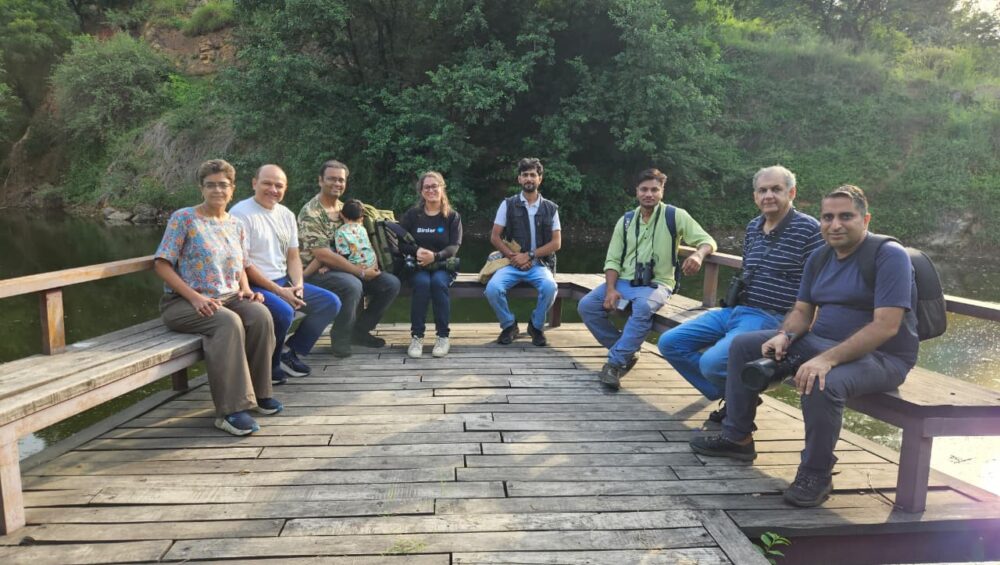
What happens when you slow down for a few hours and really look at the landscape around you?
You begin to notice life everywhere.
A bird calling from a tree. A butterfly moving quietly between plants. A dragonfly flying over the grass. And, if you’re lucky, a Rat Snake making its way through the landscape.
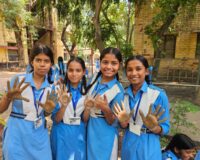
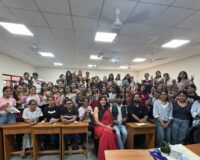
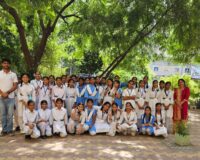
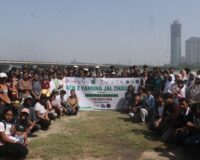
This was the experience during a Bird Guide Walk at Sikanderpur Pahadi, Gurugram, organised by Green Pencil Foundation in collaboration with Ataavi Bird Foundation and guided by Sandy Khanda.
It was a morning of walking, observing, learning and discovering the wildlife that continues to share space with one of India’s fastest-growing cities.
A Walk That Turned Into a Wildlife Discovery
The walk began with a simple idea: step outdoors, look around and pay attention.
Soon, the landscape started revealing its residents.
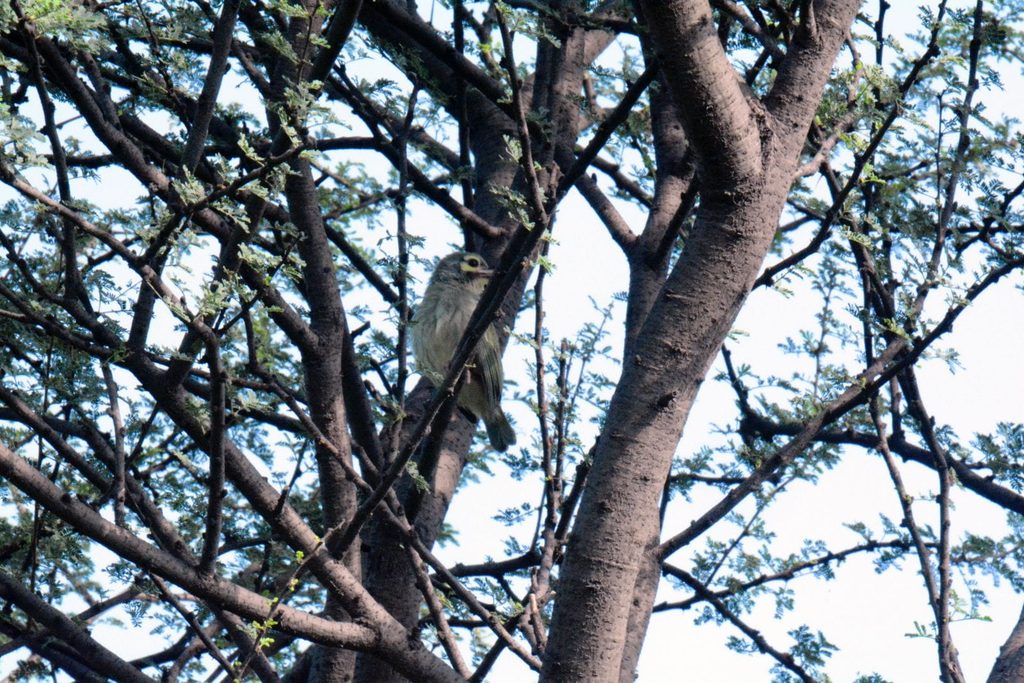
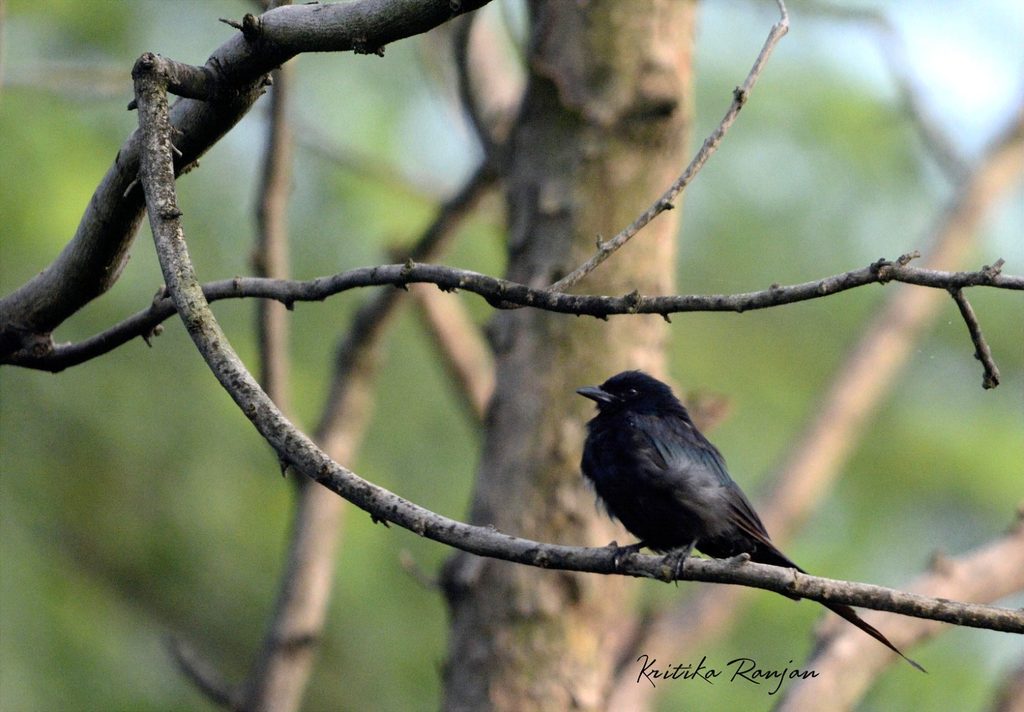
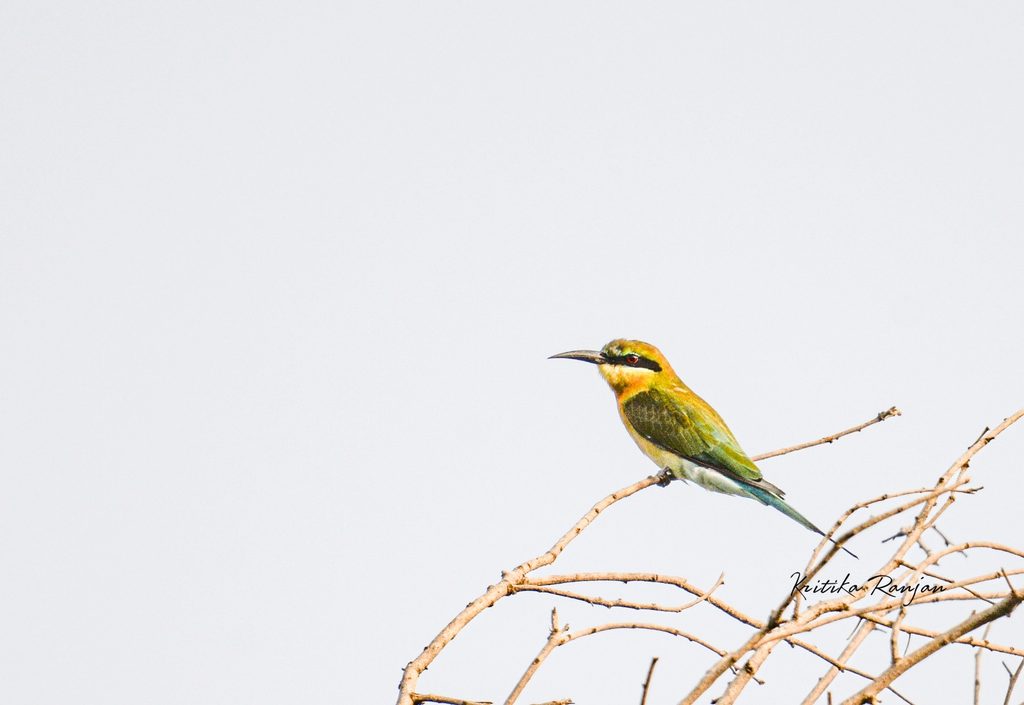
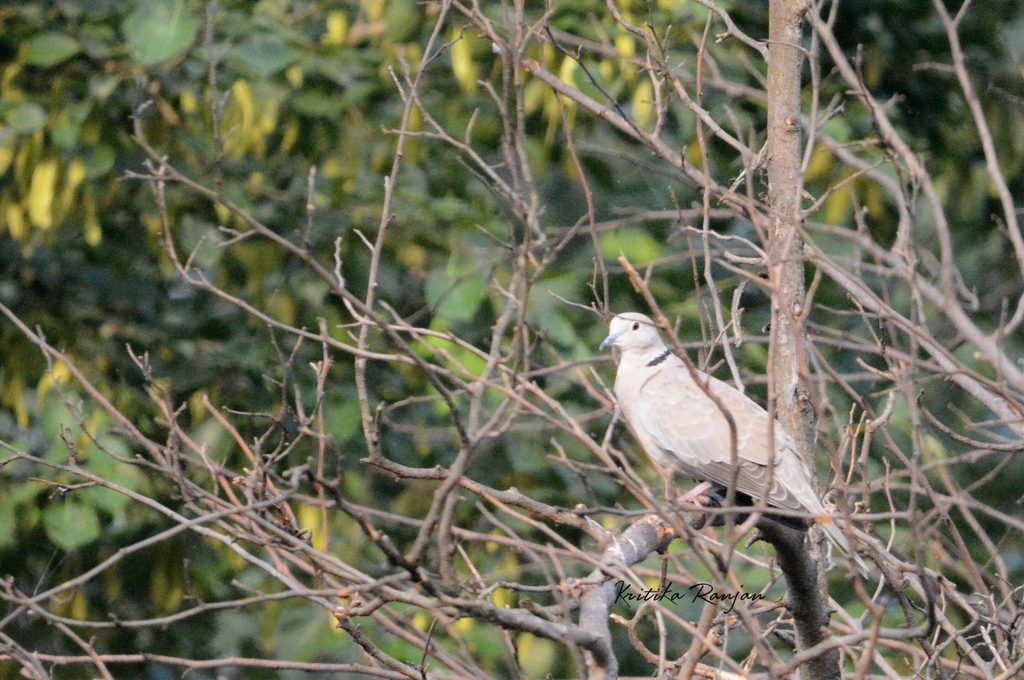
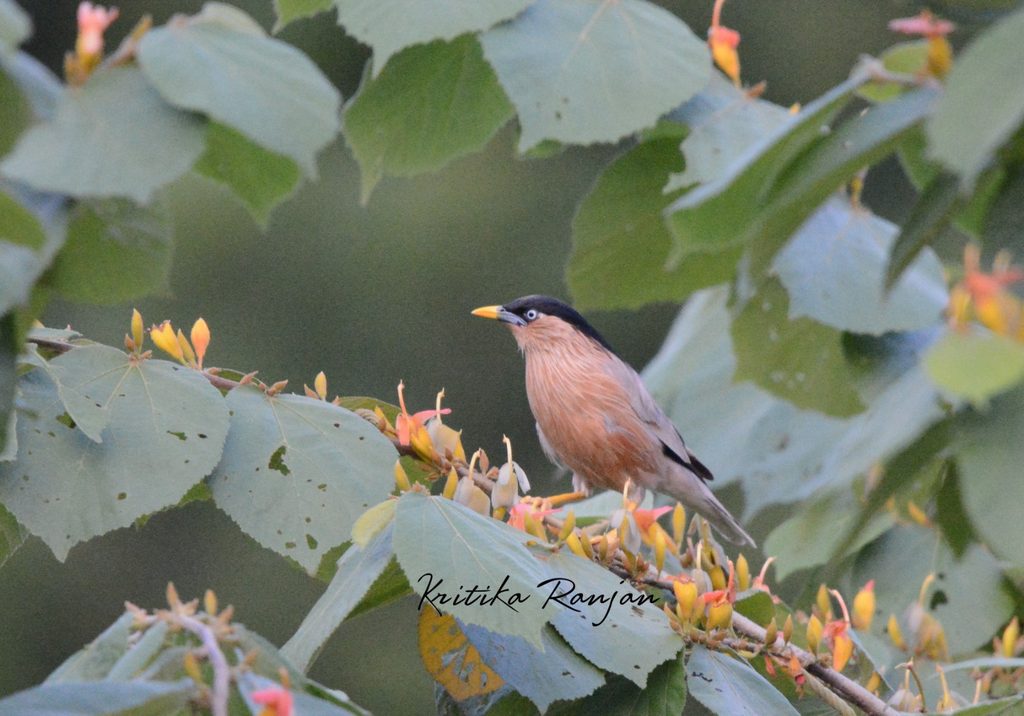
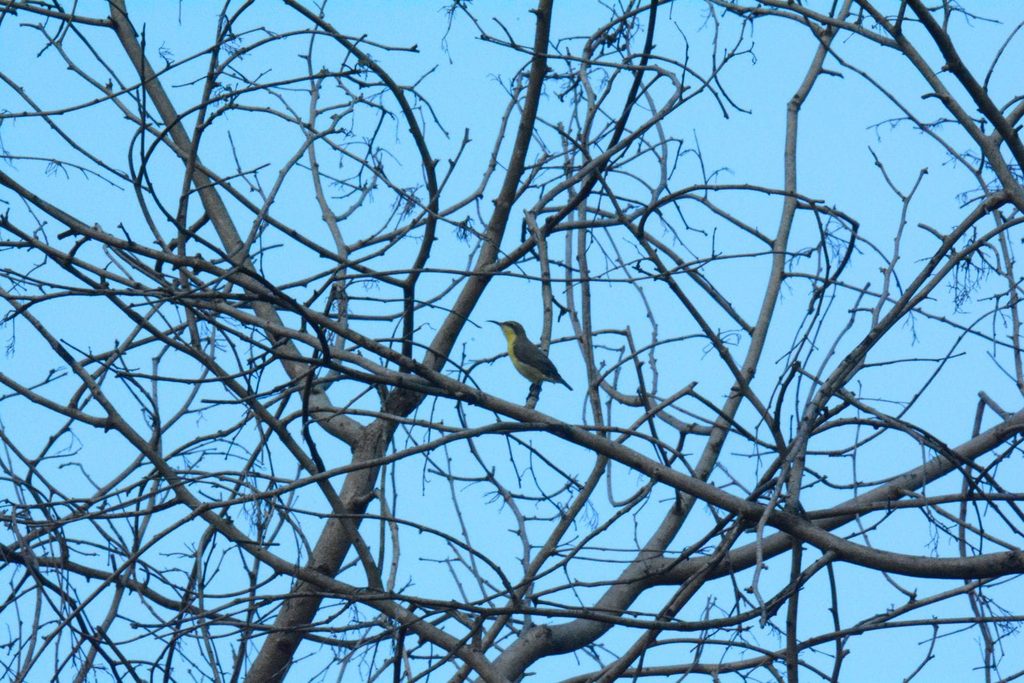
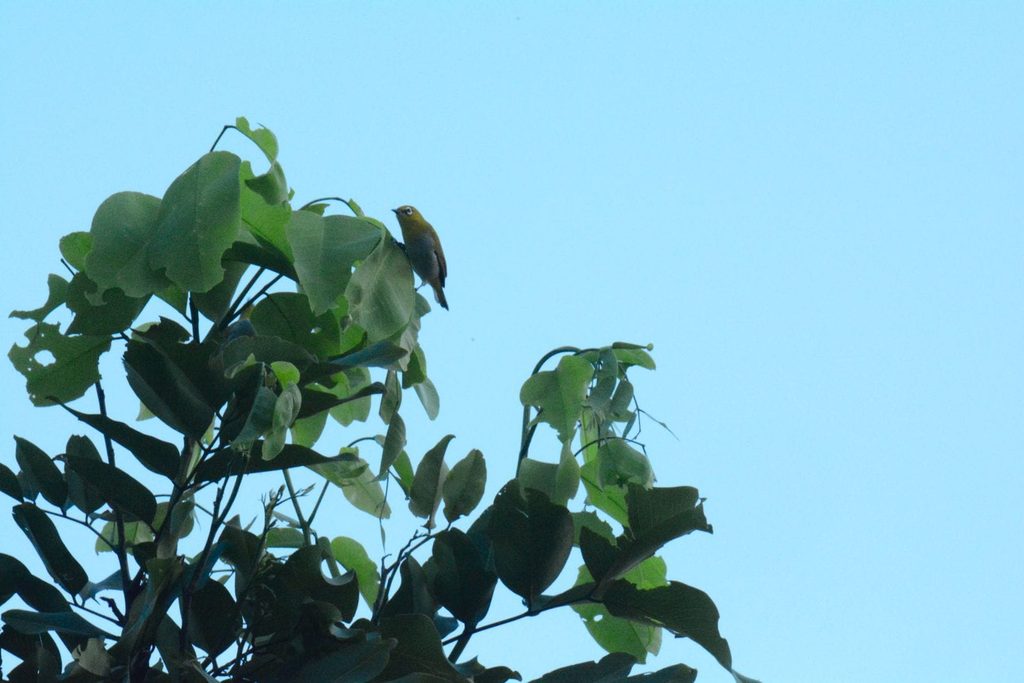
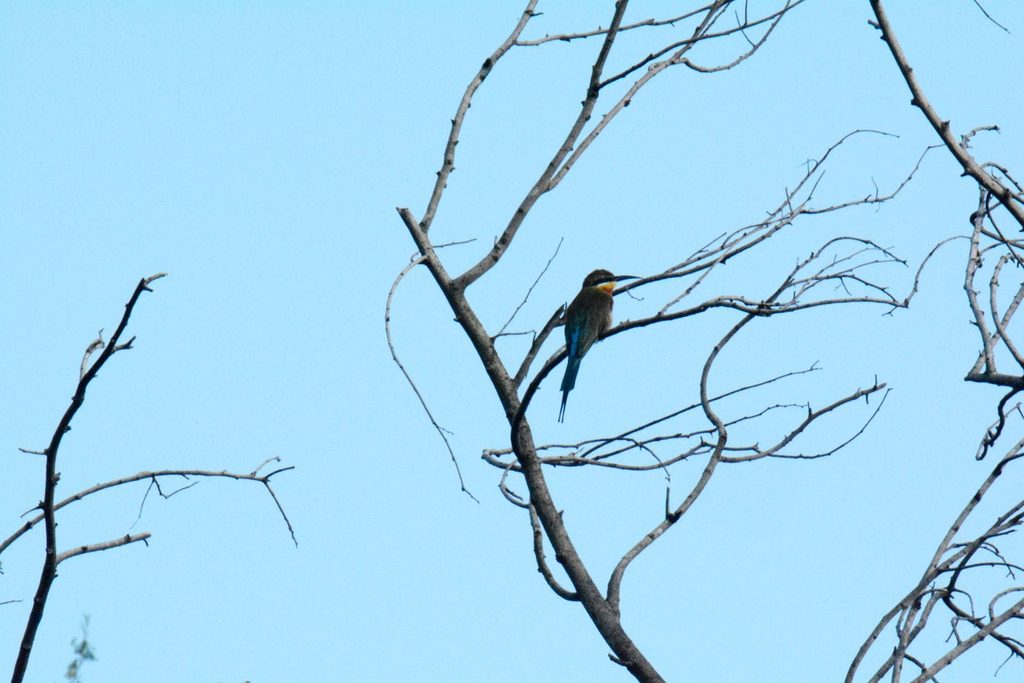
Participants spotted Ashy Prinias, Purple Sunbirds, Common Tailorbirds, Green Bee-eaters, Indian White-eyes, Red-vented Bulbuls, Brahminy Starlings, Black Kites, Greater Coucals, Indian Peafowl, Jungle Babblers and Oriental Magpie-Robins.
Every bird brought a different story.
Some were heard before they were seen. Others appeared briefly between the branches. Some stayed long enough for everyone to observe their behaviour.
And then there were the smaller discoveries butterflies, dragonflies and other insects moving through the habitat.
One of the memorable encounters was a Rat Snake, reminding everyone that this landscape belongs to far more than just birds.
That is perhaps the beauty of a nature walk. You never quite know what you are going to find.
We Often Walk, But Do We Really See?
Our everyday lives are increasingly fast.
We move from home to work, from school to meetings, usually looking at our phones or thinking about the next thing on our list.
A nature walk asks us to do something different.
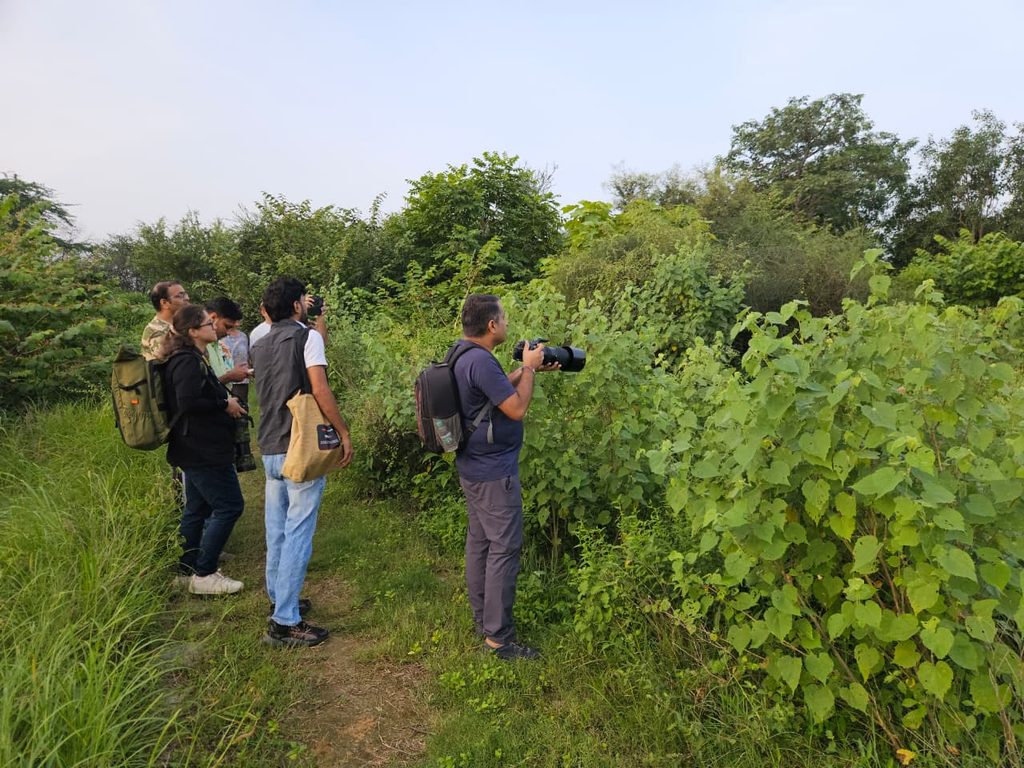
Slow down. Look up. Listen. Notice.
You start hearing bird calls you would normally ignore. You notice the different shapes of leaves. You start looking closely at butterflies and insects. You begin wondering what lives beneath the grass and around the trees.
For children, this can be especially powerful. For adults, it can be a welcome break from the constant noise of everyday life.
Nature and Our Wellbeing
A walk in nature is not only about discovering wildlife.
It also gets us moving.
Walking on a natural trail, observing birds and exploring an open landscape provides gentle physical activity while giving our minds an opportunity to step away from screens and routines.
There is something calming about spending time outdoors and paying attention to the natural world.
Instead of counting steps, you might find yourself counting birds.
Instead of checking notifications, you might be listening for a bird call.
And instead of rushing to the next destination, you start enjoying where you are.
Nature walks can become a simple way of bringing movement, outdoor time, curiosity and moments of calm into our lives.
The More We Know, The Less We Fear
One of the most important parts of nature education is changing the way we look at wildlife.
A snake can create fear, an insect can create discomfort, a bird may simply go unnoticed.
But when we understand their role, our perception begins to change.
The Rat Snake spotted during the walk was not simply a snake it was part of the ecosystem.
The butterflies and dragonflies were not merely colourful visitors. They were part of a much larger web of life.
The birds were not just names to add to a list. They were species using this landscape for food, shelter, nesting and survival.
Understanding wildlife helps us replace fear and indifference with curiosity and respect.
Human-Wildlife Coexistence Begins With Understanding
Gurugram is a rapidly developing urban landscape, but wildlife has not simply disappeared.
It is adapting.
Birds continue to nest in trees and buildings. Butterflies move through gardens and open spaces. Dragonflies appear around suitable habitats. Snakes move through areas where they can find food and shelter.
The question is not whether humans and wildlife can share urban spaces.
The question is how responsibly we choose to share them.
Human-wildlife coexistence requires awareness.
It means protecting natural and semi-natural spaces, avoiding unnecessary disturbance, understanding animal behaviour and creating habitats where biodiversity can survive.
It also means teaching the next generation that wildlife is not something to be feared or removed simply because it is different from us.
Why Urban Nature Spaces Matter
Sikanderpur Pahadi is a reminder that important biodiversity can exist surprisingly close to our homes, offices and roads.
Urban nature spaces provide habitat for birds, reptiles, insects and plants. At the same time, they provide people with places to walk, observe and reconnect with the natural world.
As cities expand, protecting these spaces becomes increasingly important.
Because a city is not truly sustainable if it is designed only for people.
A healthy city should leave room for other forms of life too.
Conservation Can Start With Curiosity
Not everyone will become a wildlife researcher, not everyone will know the name of every bird and that is perfectly okay.
Conservation can begin with something much simpler: Look. Listen. Ask questions. Care.
A child who becomes excited after spotting an Indian Peafowl may one day become someone who protects its habitat.
Someone who learns that snakes are an important part of an ecosystem may think twice before harming one.
Someone who starts recognising birds may begin noticing when their numbers or habitats change.
These small shifts in perspective matter.
At Green Pencil Foundation, we believe nature education should create exactly these moments.
Our goal is to help people build a relationship with nature not only through classrooms and books, but through direct experiences in the outdoors.
Because when we spend time with nature, we begin to understand that we are not separate from it, we are part of the same ecosystem.
A Morning Worth Remembering
The Sikanderpur Pahadi walk gave us birds, butterflies, dragonflies and a Rat Snake.
But more importantly, it gave us time to pause.
Time to walk, time to observe, time to learn.
And time to remember that even in a rapidly growing city like Gurugram, wild spaces are still alive with stories.
The next time you walk past a tree, a patch of grass or an open natural space, take a moment to look closely.
You might be surprised by who is sharing the space with you.
Species and Wildlife Observed
Birds: Ashy Prinia, Purple Sunbird, Common Tailorbird, Green Bee-eater, Indian White-eye, Red-vented Bulbul, Brahminy Starling, Black Kite, Greater Coucal, Indian Peafowl, Jungle Babblers, Oriental Magpie-Robin and others.
Other wildlife: Rat Snake, butterflies, dragonflies and other insects.