Campus Climate Vartaleap at JNV Chandigarh — Youth Leading the Way for a Sustainable Tomorrow
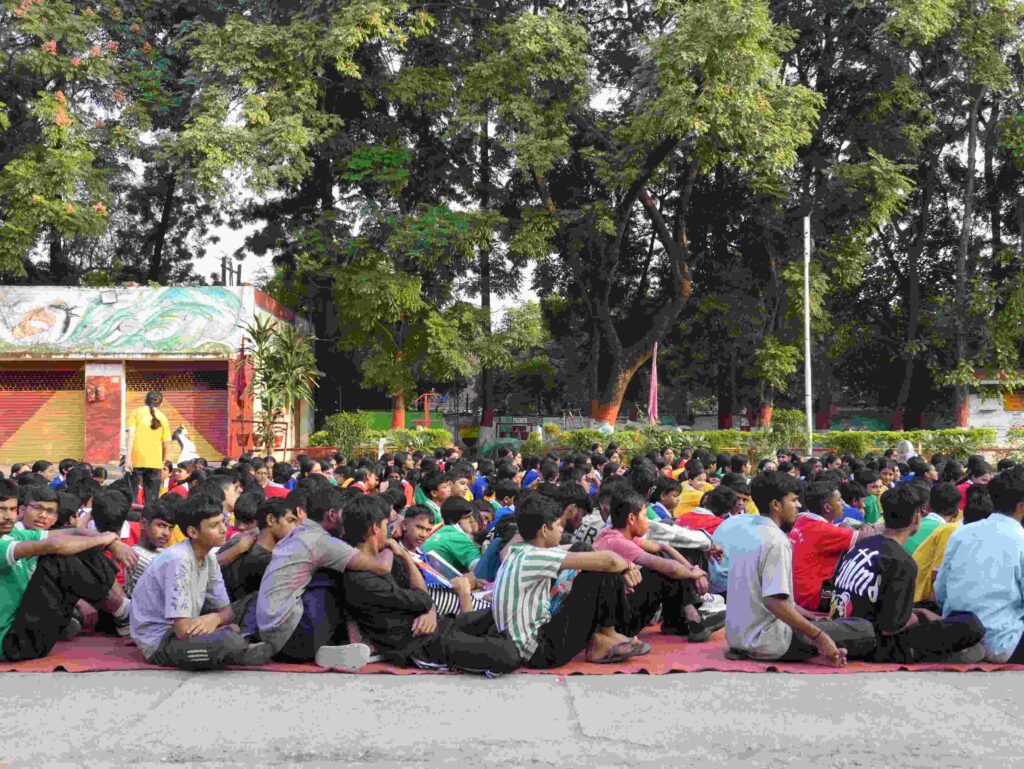
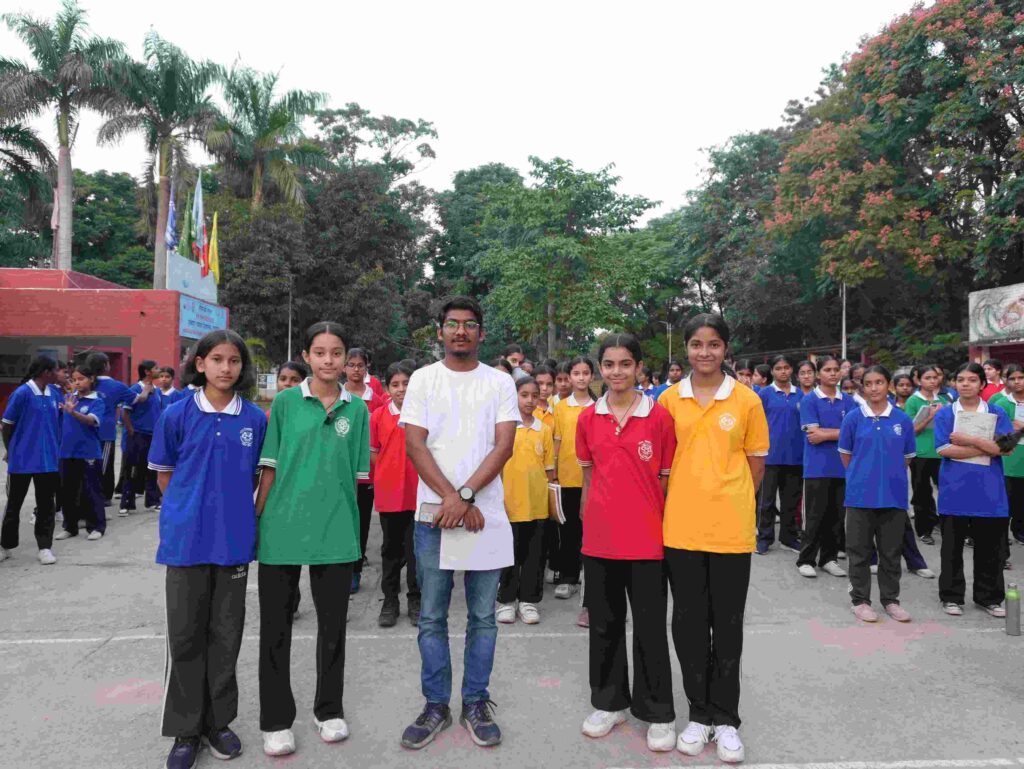
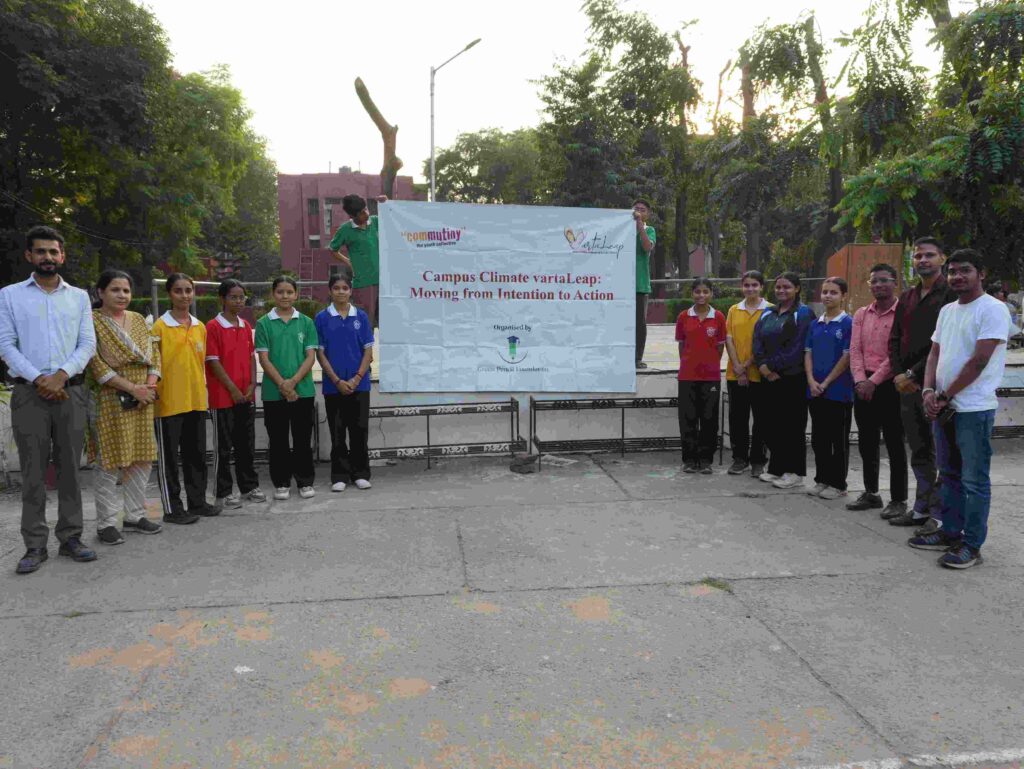
The Green Pencil Foundation, supported by Commutiny – The Youth Collective (CYC), organized an insightful session of its flagship initiative Campus Climate Vartaleap at Jawahar Navodaya Vidyalaya (JNV), Chandigarh on 15th October 2025. The event aimed to foster environmental awareness and inspire young students to move “From Intention to Action” in addressing the challenges of climate change.
The interactive session was led by Mr. Sandy Khanda, Founder and Director of the Green Pencil Foundation, along with Aakash Mahato, Neha, and Divyansh Gandhi as facilitators. Teachers and students from different grades participated enthusiastically, engaging in conversations about air pollution, waste segregation, water conservation, and renewable energy adoption.
In his keynote address, Mr. Khanda highlighted that climate change is not a future concern but a present-day reality impacting health, agriculture, and biodiversity. He encouraged students to become “eco-leaders” in their schools and homes by adopting small but consistent sustainable habits such as using cloth bags, avoiding single-use plastics, planting trees, and promoting cycling or walking for short distances.
Environmental Context: Chandigarh’s Emerging Climate Concerns
Chandigarh, known for its lush green planning and clean layout, has witnessed a steady rise in environmental pressures. As per the Central Pollution Control Board (CPCB), the city’s Air Quality Index (AQI) often fluctuates between 180–220, placing it in the “moderate to poor” category during post-harvest and winter months. This spike is primarily attributed to vehicular emissions and stubble burning in neighboring states of Punjab and Haryana.
Further, according to the Municipal Corporation Chandigarh (MCC), the city generates nearly 550–600 tonnes of solid waste daily, with per capita waste generation averaging 700 grams per person per day. Despite its reputation as a model city, Chandigarh continues to face challenges in waste segregation and recycling infrastructure.
The Central Ground Water Board (CGWB) has also reported a yearly groundwater decline of 20–30 centimeters, posing risks for the city’s long-term water sustainability. These alarming figures underline the importance of sensitizing youth to understand and act upon local climate and environmental issues.
Engagement and Learning
The session at JNV Chandigarh featured interactive discussions and activities designed to enhance environmental leadership skills among students. Participants brainstormed practical climate solutions such as campus composting units, eco-clubs, and plastic-free school initiatives.
Facilitators from Green Pencil Foundation also showcased demonstrations on recycling everyday waste, reusing paper, and innovative upcycling methods that can be adopted at home and in classrooms. The school’s Principal expressed appreciation for the Foundation and CYC, noting that “such initiatives instill values of responsibility, awareness, and action in our youth.”
Towards a Youth-Led Climate Movement
The Campus Climate Vartaleap program is part of the Green Pencil Foundation’s mission to cultivate a new generation of environmental leaders. Supported by Commutiny – The Youth Collective, this initiative encourages meaningful youth engagement and aligns with both national and global sustainability goals, including:
SDG 13: Climate Action
SDG 11: Sustainable Cities and Communities
SDG 12: Responsible Consumption and Production
Through these workshops, the Green Pencil Foundation aims to reach over one million young citizens by 2026, inspiring them to lead community-level environmental initiatives and contribute to India’s vision of a Viksit Bharat (Developed India).