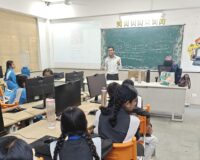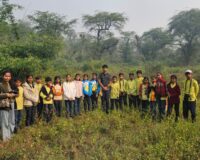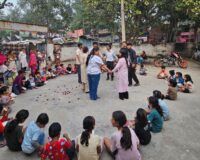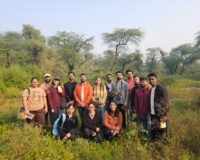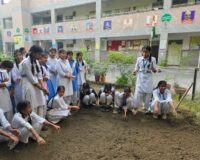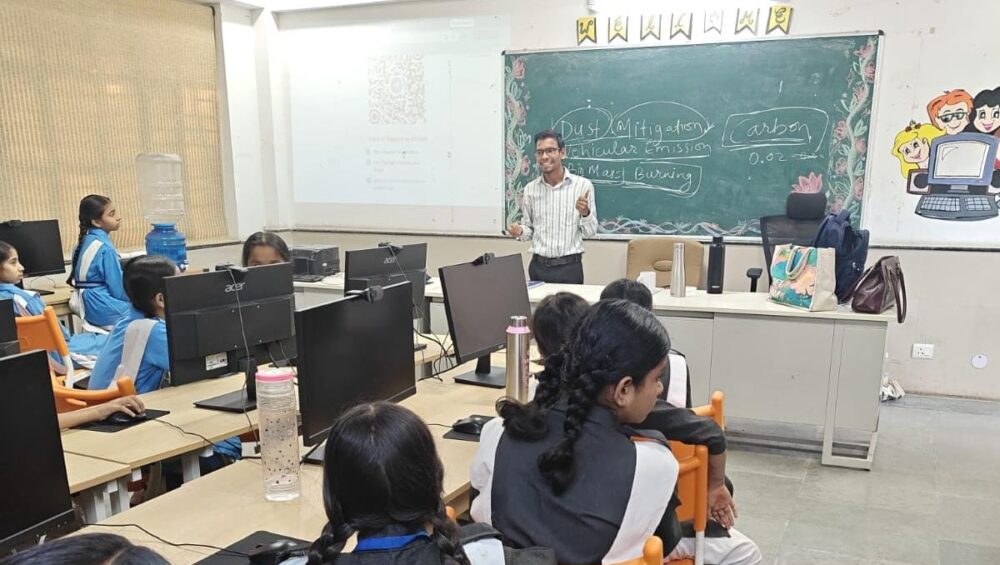
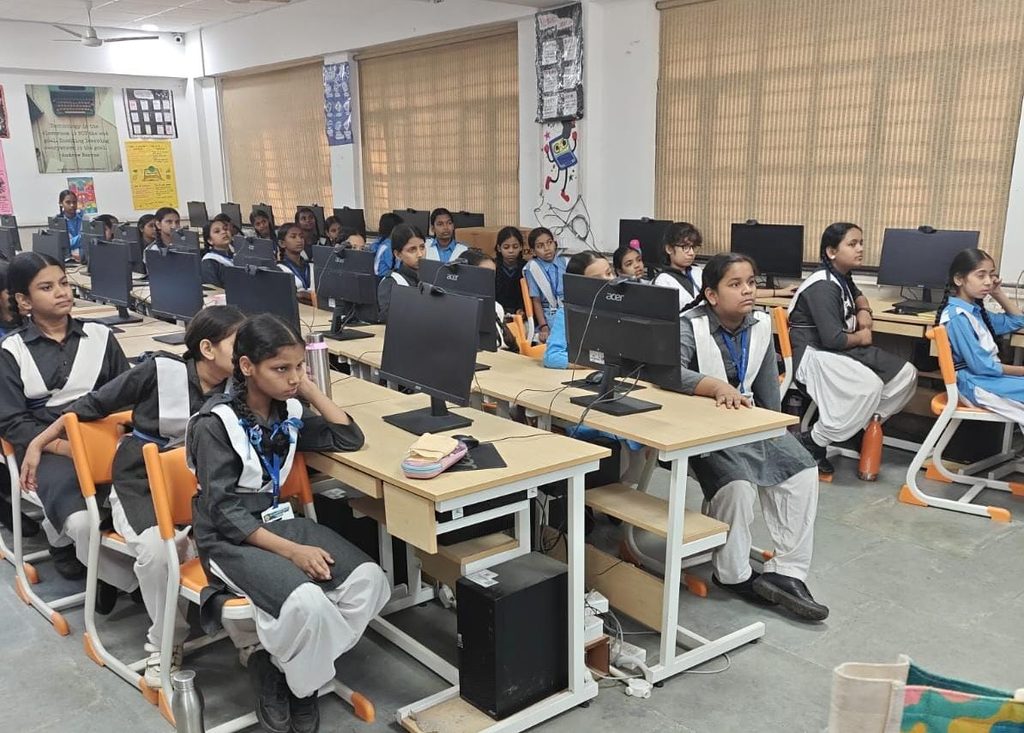
New Delhi, October 6, 2026: With air pollution once again becoming a major environmental concern in Delhi-NCR, Green Pencil Foundation organised an awareness workshop on Dust Mitigation, Vehicular Emissions and Biomass Burning at Government Sarvodaya Kanya Vidyalaya, Dhakka, Delhi. The workshop was conducted by Mr. Aakash Mahato and witnessed the participation of around 100 students.
The initiative aimed to help students understand the major sources of air pollution, their impact on the environment and public health, and the importance of adopting responsible practices to contribute towards cleaner air.
Understanding Delhi’s Growing Air Pollution Crisis
Air pollution has become one of the most pressing environmental challenges facing Delhi, particularly during the winter months. Rising concentrations of particulate matter, vehicular emissions, construction dust, industrial pollution and biomass burning continue to affect the region’s air quality.
As winter approaches, changing weather conditions, low wind speeds and temperature inversion can further trap pollutants close to the ground, making the situation more challenging for residents.
Against this backdrop, the workshop focused on three important contributors to air pollution: road and construction dust, emissions from vehicles, and the burning of biomass and other waste materials.
Students Learn About Dust Mitigation and Vehicular Emissions
During the session, Mr. Aakash Mahato explained how dust generated from roads, construction activities and uncovered surfaces contributes to particulate pollution. Students were introduced to the importance of dust suppression, proper construction-site management, regular cleaning and responsible waste disposal.
The discussion on vehicular emissions highlighted how petrol and diesel vehicles release harmful pollutants into the atmosphere. Students were encouraged to understand the importance of public transportation, walking and cycling for shorter distances, carpooling and maintaining vehicles properly.
The workshop also addressed biomass burning, including the burning of dry leaves, agricultural residue and other organic waste. Students learned why open burning releases pollutants into the air and how alternatives such as composting and proper waste management can help reduce this source of pollution.
Building a Generation That Understands Clean Air
The participation of around 100 students made the workshop an opportunity to connect environmental awareness with everyday behaviour.
Rather than treating air pollution as an issue that can only be addressed through government regulations, the session encouraged students to recognise their own role in reducing pollution at the household, school and community levels.
Schools can play an important role in building environmental consciousness among young people. When students understand where pollution comes from and how everyday activities contribute to it, they can become informed advocates for cleaner and healthier surroundings.
Green Pencil Foundation’s Commitment to Environmental Education
Through this initiative, Green Pencil Foundation continues its efforts to promote environmental awareness and climate education among school students.
The Foundation believes that addressing Delhi’s air pollution crisis requires collective action, public awareness, scientific understanding and long-term behavioural change. Environmental education in schools can help children move beyond awareness and become active participants in creating sustainable communities.
As Delhi-NCR continues to face recurring air quality challenges, initiatives that bring conversations about clean air into classrooms are an important step towards building a more environmentally responsible generation.
Clean air is not just an environmental necessity; it is a shared responsibility.