Green Pencil Foundation Conducts Workshop on Vehicular Emissions and Solid Waste Management at Government Girls Senior Secondary School, Dhakka, Delhi
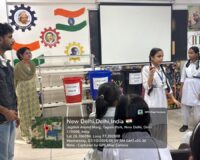
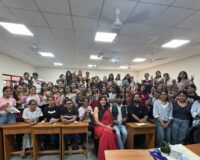
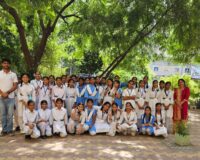
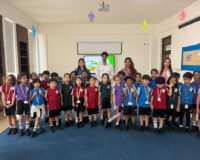
The two-hour educational session was conducted from 8:00 AM to 10:00 AM and brought together around 60 students to explore two important environmental challenges affecting cities and communities today.
The workshop was designed to help students understand how everyday human activities contribute to environmental pollution and, more importantly, how individual and collective actions can help create healthier and more sustainable surroundings.
Understanding the Impact of Vehicular Emissions
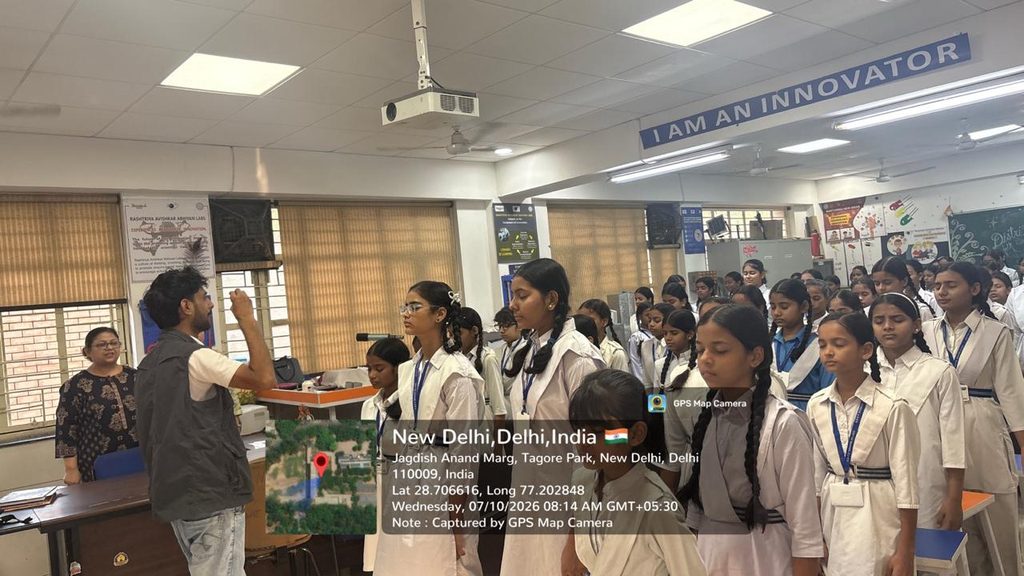
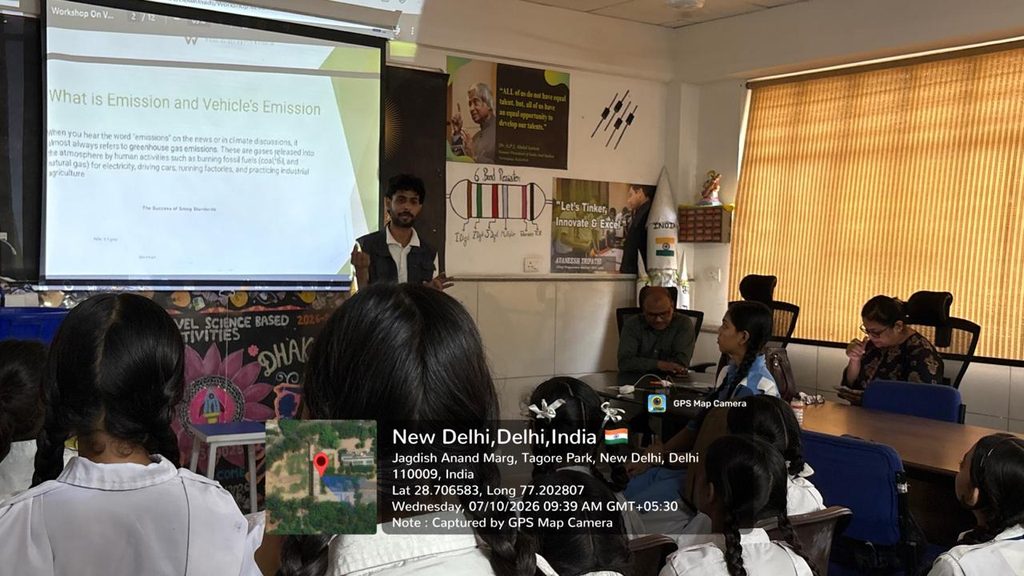
The first part of the workshop focused on vehicular emissions and air pollution. Students were introduced to the different pollutants released by vehicles and discussed how emissions from cars, buses, motorcycles and other vehicles affect the quality of air around us.
The session explored the connection between vehicular pollution and human health, particularly respiratory health, as well as its wider impact on the environment and climate.
Through discussions and interactive activities, students were encouraged to think about the number of vehicles they see on roads every day and the pollution generated by daily transportation. The workshop also highlighted the importance of sustainable mobility, including walking, cycling, public transport and carpooling wherever possible.
The objective was not simply to tell students that vehicles cause pollution, but to help them understand the relationship between mobility choices, air quality, public health and climate change.
Learning About Solid Waste Management
The second part of the workshop focused on Solid Waste Management, an issue that is closely connected with everyday life.
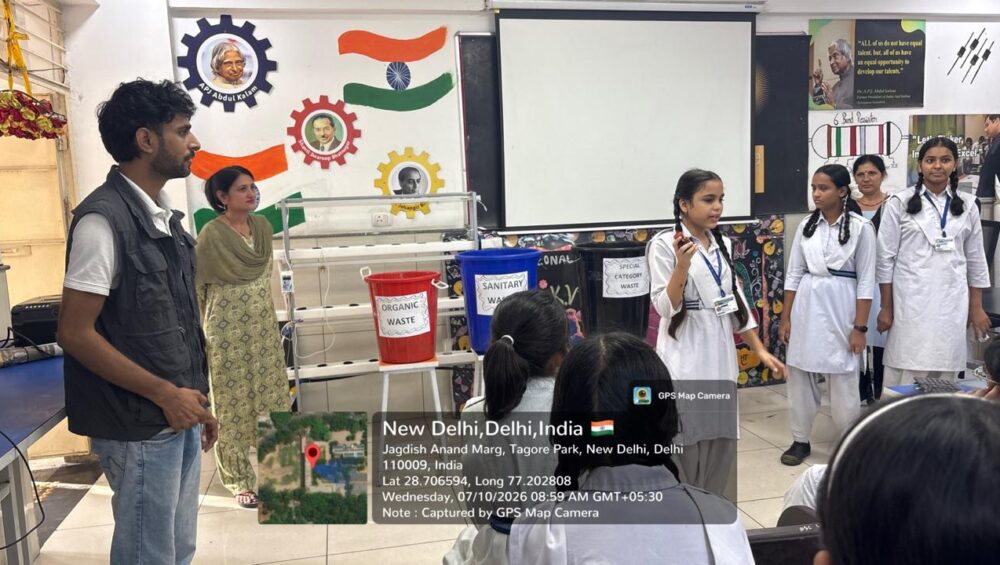
Students discussed where waste comes from, what happens after waste leaves our homes and schools, and why improper disposal of waste can create serious environmental problems. The session introduced students to the importance of waste segregation at source, responsible consumption, reuse and recycling.
Students were encouraged to distinguish between different categories of waste and understand why mixing all waste together makes scientific and sustainable waste management more difficult.
The workshop also highlighted a simple but important message: waste does not disappear when we throw it away. It moves from one place to another, and its environmental impact continues through landfills, open dumping, burning, water pollution and other forms of contamination.
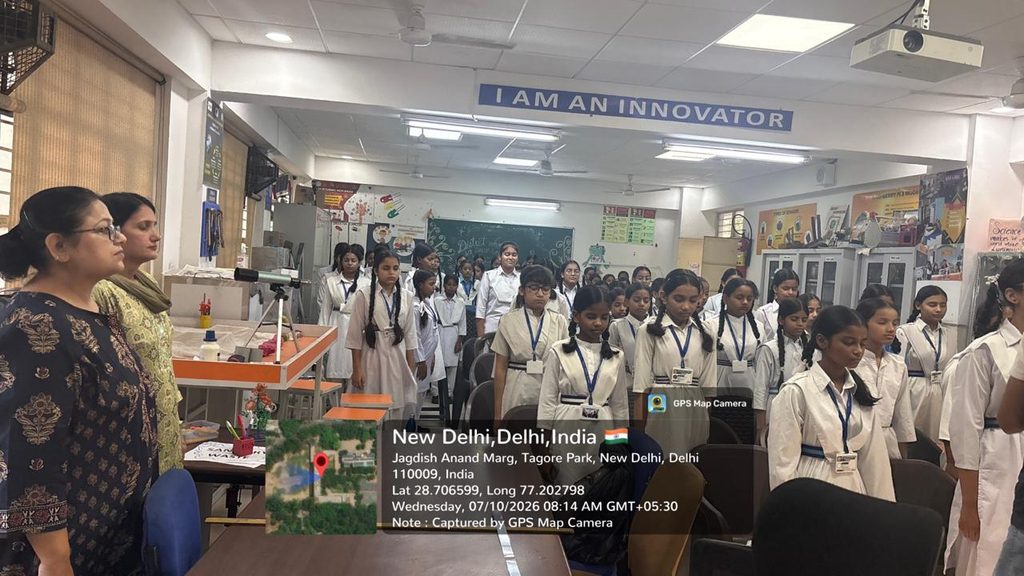
Learning Through Activities
A key feature of the workshop was its activity-based approach. Rather than limiting the session to a traditional lecture, students participated in discussions and practical learning activities that encouraged them to observe environmental problems around them and think about possible solutions.
The activities helped students connect environmental concepts with their own daily experiences from the vehicles they use to the waste generated at home and in school.
Such experiential learning can help students move from simply knowing about environmental problems to thinking about what they can do about them.
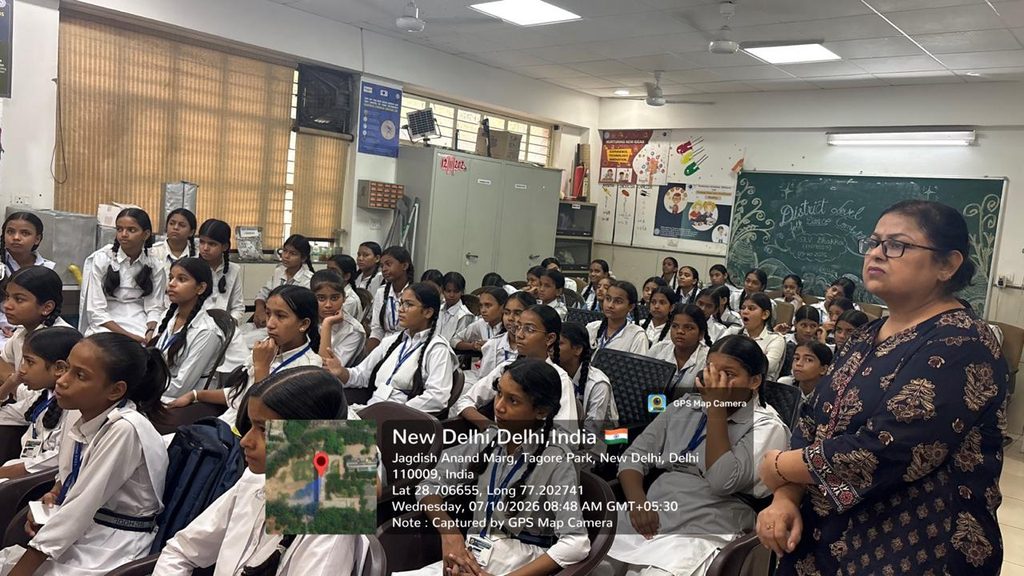
Creating Young Environmental Changemakers
Green Pencil Foundation believes that environmental education should go beyond textbooks and classrooms. Young people need opportunities to observe nature, understand environmental challenges and participate in meaningful conversations about solutions.
The workshop at Government Girls Senior Secondary School, Dhakka, was part of this broader effort to promote environmental awareness, sustainable lifestyles and responsible citizenship among young people.
With around 100 students participating, the session created an opportunity for students to reflect on two environmental issues that are directly connected with urban life air pollution from transportation and waste generated through everyday consumption.
From Awareness to Action
Environmental change does not always begin with large campaigns or major infrastructure projects. It can begin with simple decisions made every day.
Choosing to walk or cycle for short distances, using public transportation, avoiding unnecessary vehicle use, carrying reusable products, reducing consumption, reusing materials and segregating waste are all small actions that can collectively contribute to a healthier environment.
The workshop encouraged students to become more conscious of these choices and to carry the learning beyond the classroom to their homes, neighbourhoods and communities.
Green Pencil Foundation remains committed to creating spaces where young people can learn about the environment, question existing practices and become active participants in building a sustainable future.