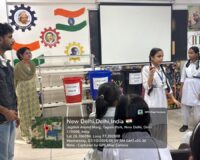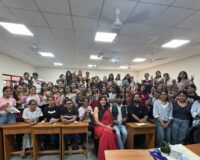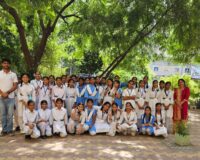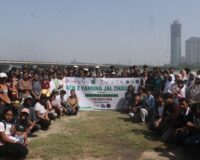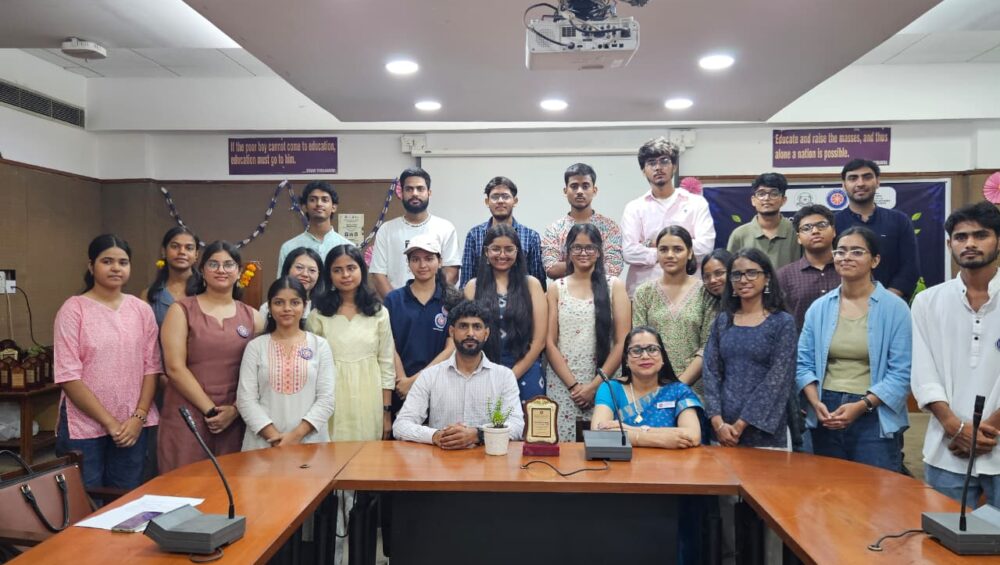
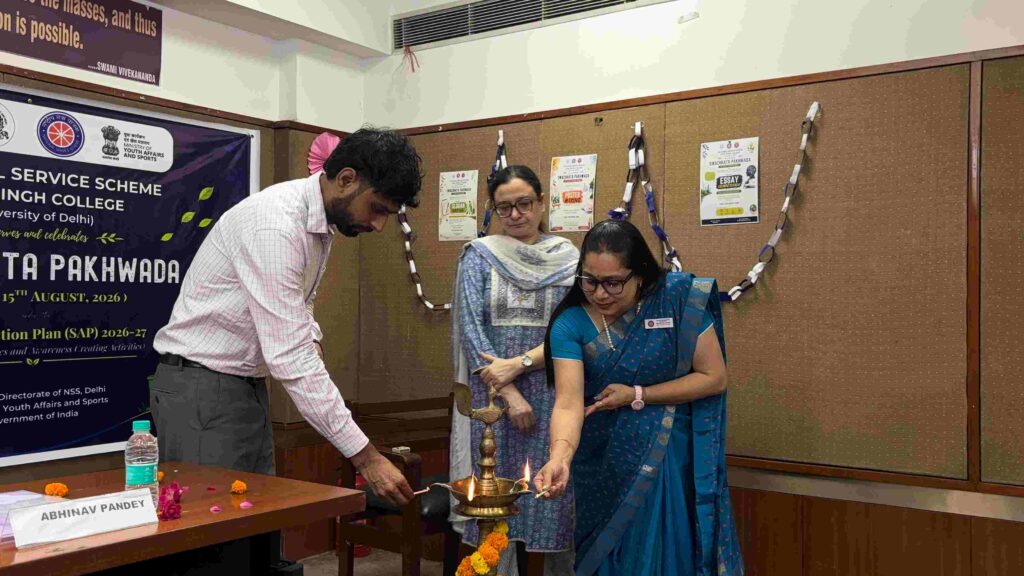
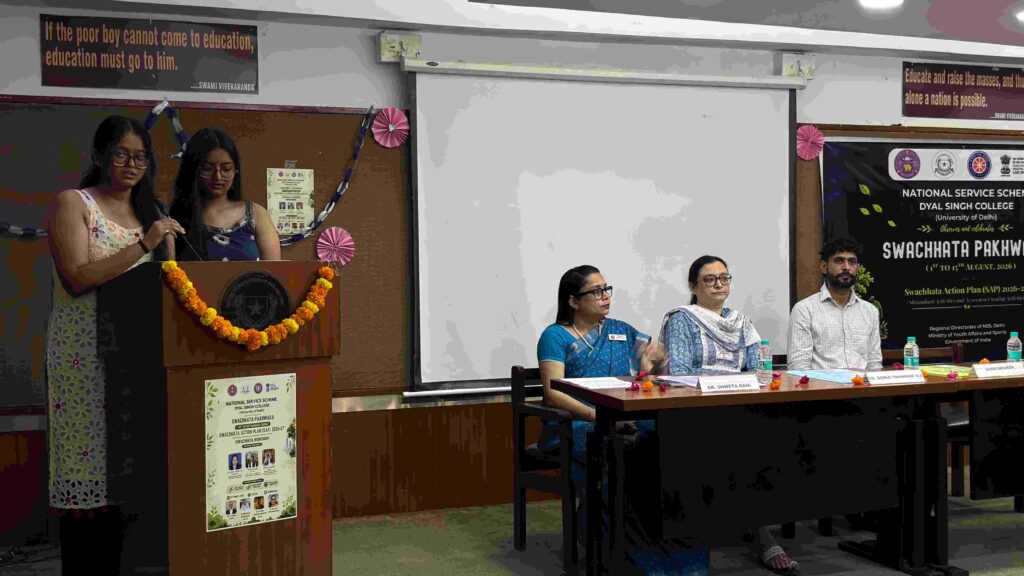
As part of Swachhata Pakhwada, Green Pencil Foundation conducted an engaging session on waste management, cleanliness and responsible waste practices at Dayal Singh College, University of Delhi, bringing together around 60 students for an interactive learning experience on how everyday choices can contribute to cleaner and healthier communities.
The session focused on an important question: What happens to our waste after we throw it away?
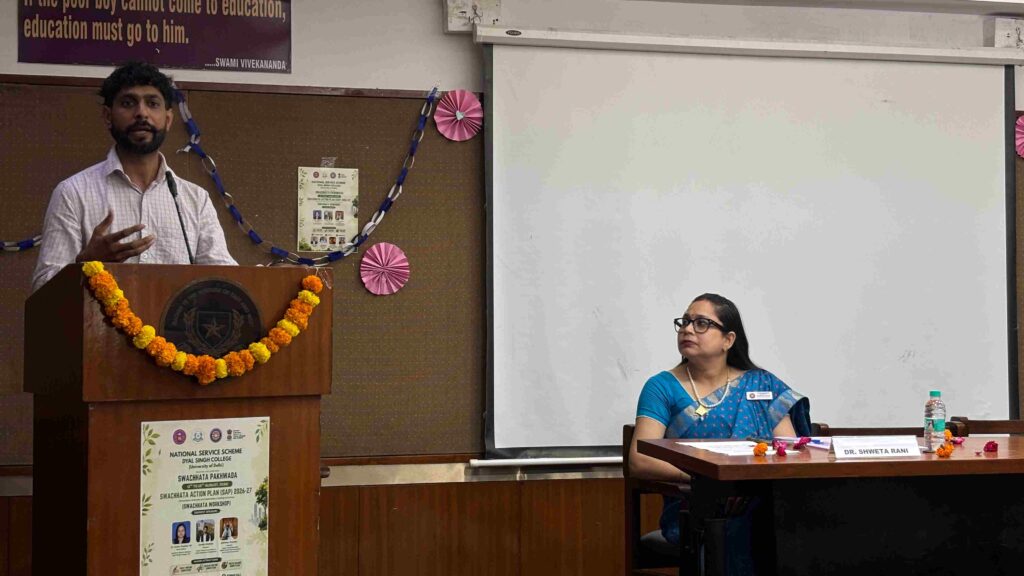
Facilitated by Sandy Khanda, the session introduced students to practical and community-driven approaches to waste management, with a special focus on waste segregation, community composting and sustainable cleanliness practices.
From Throwing Away to Taking Responsibility
During the session, Sandy Khanda highlighted that effective waste management begins at the point where waste is generated. Segregating waste into appropriate categories can make recycling, composting and responsible disposal significantly easier.
Students were encouraged to look beyond cleanliness as simply keeping our surroundings free from visible litter. Cleanliness, as discussed during the session, is closely connected with responsible consumption, segregation, recycling, composting and community participation.
The discussion also explored how small actions at homes, educational institutions and public spaces can collectively create a meaningful environmental impact.
Understanding Community Composting
One of the key areas of discussion was community composting and its potential to reduce the amount of organic waste reaching landfills.
Students were introduced to the idea of treating kitchen and other biodegradable waste as a resource rather than something that simply needs to be discarded. Community-level composting can help communities manage organic waste locally while producing useful compost for gardens and green spaces.
The session encouraged students to explore how educational institutions and local communities can adopt simple and practical composting models.
Students as Change-Makers
With around 60 students participating, the session created an opportunity for young people to reflect on their own relationship with waste and the environment.
The message was simple but important: a cleaner India cannot be created only through government programmes or municipal systems. It requires responsible participation from citizens, institutions and communities.
Students can play an important role by becoming responsible waste generators, encouraging segregation at source, reducing unnecessary waste and influencing positive practices within their families and communities.
Appreciation for Green Pencil Foundation
Dr. Shweta Singh expressed her gratitude to Sandy Khanda and Green Pencil Foundation for conducting the informative and engaging session and for creating an opportunity for students to learn about practical approaches to waste management and cleanliness.
For Green Pencil Foundation, such sessions are an important part of its continued effort to connect young people with environmental responsibility and encourage sustainable practices in everyday life.
Building a Culture of Cleanliness
Swachhata Pakhwada provides an important platform to initiate conversations around cleanliness, but the responsibility does not end with a campaign or awareness event. Sustainable cleanliness requires continuous action and behavioural change.
From segregating waste at source to composting organic waste, reducing consumption and keeping public spaces clean, every action matters.
At Green Pencil Foundation, we believe that environmental change begins when awareness becomes action. By engaging students and communities in practical conversations around waste management, we can work towards creating cleaner campuses, healthier communities and a more sustainable future.
The change starts with what we choose to do with our waste today.