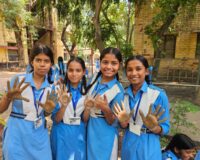
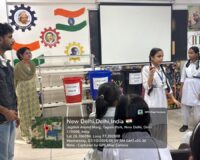
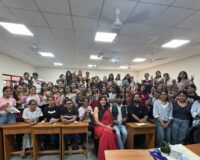
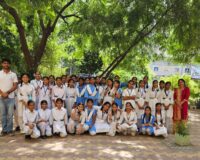
In a continued effort to restore one of India’s most sacred and polluted rivers, the Green Pencil Foundation (GPF) joined hands with St. Columba’s School, New Delhi, to organize a Yamuna Cleanup Drive at Kalindi Kunj Ghat. The drive, held on October 3, witnessed enthusiastic participation from students, teachers, and volunteers — all driven by one goal: a cleaner, healthier Yamuna.
The initiative was led by Mr. Ramakant Sharma, teacher at St. Columba’s School, and Mr. Sandy Khanda, Founder of the Green Pencil Foundation. Together, they guided a team of 17 dedicated participants, who actively engaged in cleaning the riverbank, collecting waste, and learning about sustainable waste management.
A Step Toward Reviving the Lifeline of Delhi
The Yamuna River — often referred to as Delhi’s lifeline — is also one of the most polluted rivers in India. Despite forming just 2% of the Yamuna’s total stretch, the Delhi segment contributes to nearly 80% of its total pollution load, primarily due to untreated sewage, industrial waste, and ritual offerings.
Every day, around 800 million litres of untreated sewage and 44 million litres of industrial effluents flow into the river. According to recent government reports, 16 out of 37 sewage treatment plants (STPs) in Delhi still fail to meet required quality norms, leading to severe contamination downstream from Wazirabad to Okhla — the very stretch where Kalindi Kunj Ghat lies.
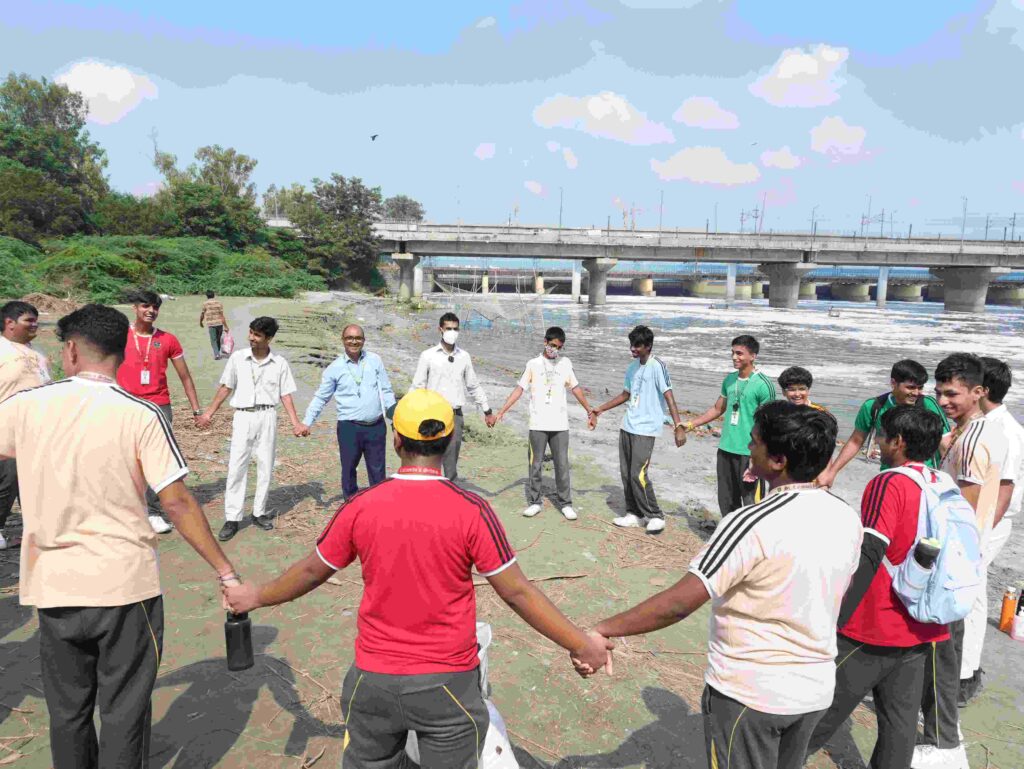
On-Ground Impact and Youth Engagement
During the cleanup, volunteers collected and segregated solid waste such as plastic bottles, puja materials, and polythene bags. Participants also interacted with the GPF team to understand the broader environmental and health impacts of river pollution.
“Cleaning the Yamuna is not just about removing waste — it’s about changing mindsets,” said Mr. Sandy Khanda, Founder of Green Pencil Foundation. “When young people take ownership of their environment, they inspire entire communities to act. Every small step like this adds up to a much larger movement for sustainability.”
The activity was designed not only as a cleanup effort but also as a hands-on learning experience for students. By participating in such initiatives, young minds learn the importance of environmental responsibility and become ambassadors for ecological change.
“Our students were deeply moved to see the condition of the river,” shared Mr. Ramakant Sharma, teacher at St. Columba’s School. “This experience helped them understand that environmental education is not limited to textbooks — it’s about taking real-world action for the planet.”
Aligning with Larger Restoration Efforts
The Yamuna cleanup aligns with Delhi’s ongoing initiatives, including the three-year action plan launched earlier in 2025 to improve sewage treatment, boost river flow, and deploy mechanical cleaners at key ghats. The government also plans to channel treated water from the Okhla STP (574 MLD capacity) into the river to improve its environmental flow and reduce frothing in the Kalindi Kunj area.
However, policy measures alone are not enough. Grassroots interventions — like those by Green Pencil Foundation and educational institutions — play a crucial role in maintaining the momentum and awareness necessary for lasting impact.
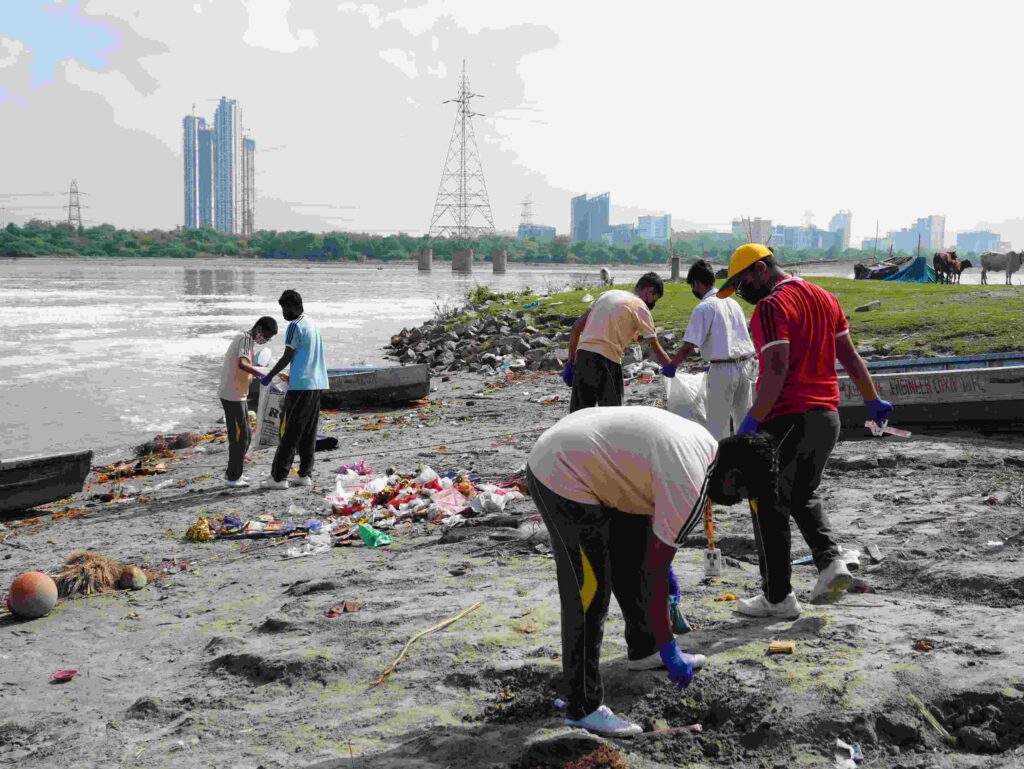
Sustaining the Change
This cleanup is part of Green Pencil Foundation’s ongoing “Clean Rivers, Green Future” campaign, which promotes community participation in protecting and rejuvenating India’s water bodies. Through such initiatives, GPF continues to emphasize the importance of environmental stewardship and responsible waste management.
“The Green Pencil Foundation firmly believes that awareness, when combined with action, can lead to meaningful change,” added Mr. Khanda. “We aim to build a generation that not only talks about sustainability but practices it every day.”