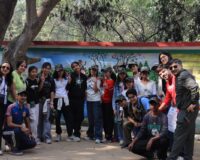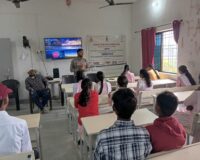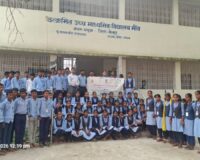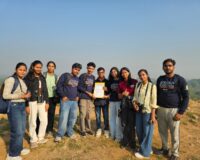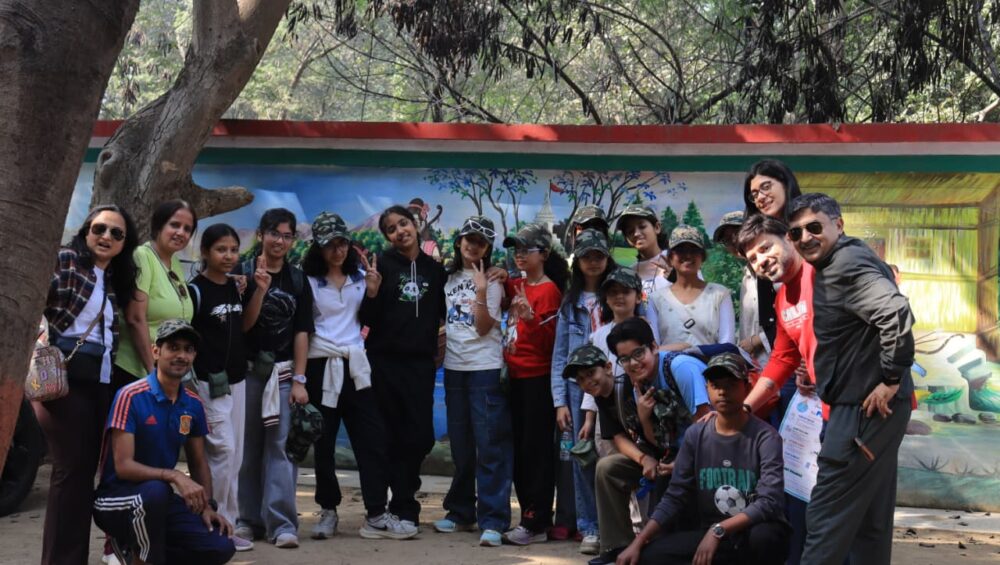
From birds and butterflies to mushrooms, native trees and forest ecosystems, The Great Bird Adventure gave children a chance to experience nature beyond their textbooks.
GURUGRAM, HARYANA | 24 NOVEMBER 2026
What does a child notice when you take them away from screens, traffic and concrete buildings and bring them into a forest?
Sometimes, it is a bird calling from a tree. Sometimes, it is a mushroom growing on a fallen log. And sometimes, it is simply the realisation that a forest is full of life, much of which we walk past without noticing.
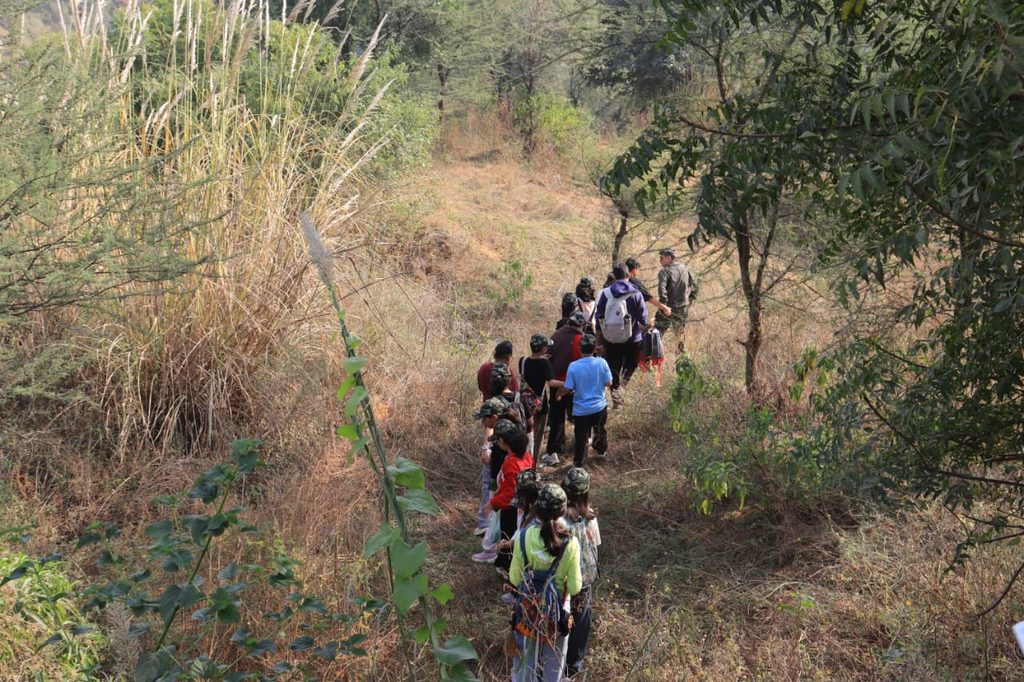
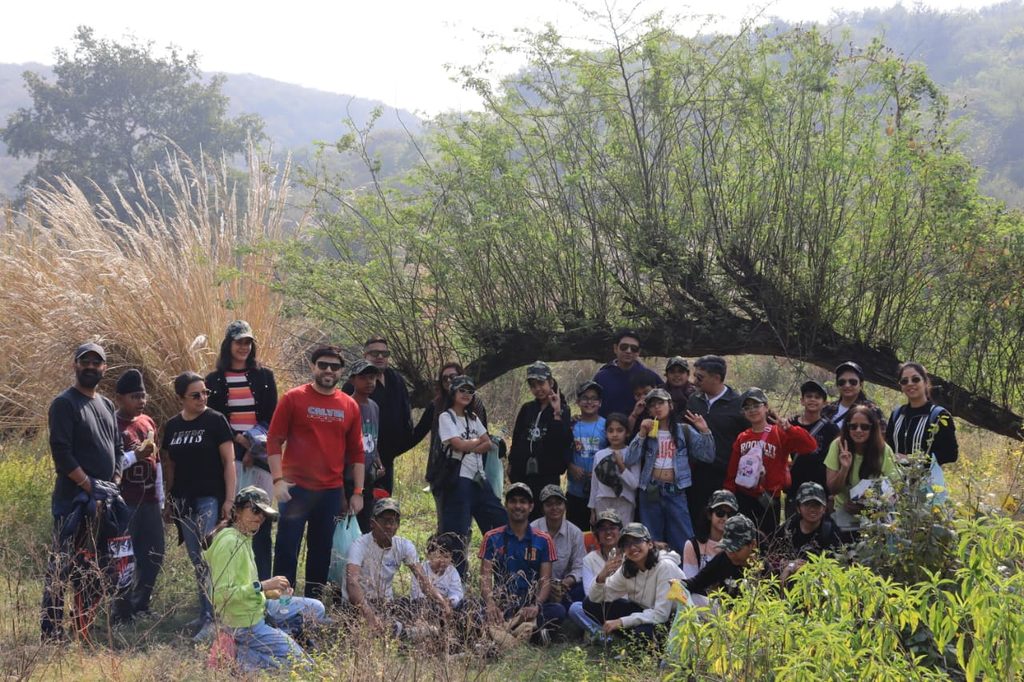
That was the spirit of The Great Bird Adventure, organised by Green Pencil Foundation at Bhondsi Forest, Gurugram, on 24 November 2026, under the Young Birders’ Month 2026 initiative.
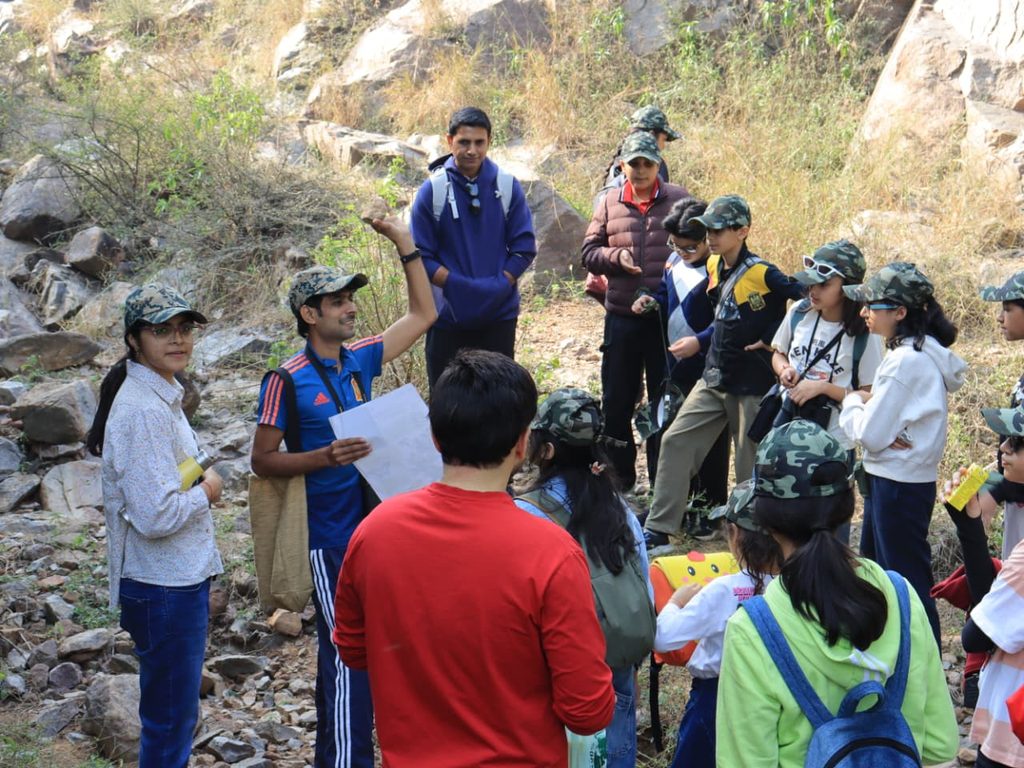
From 8:30 AM to 01:30 PM, children aged 12–14 explored the forest through nature observation, trekking and conversations about biodiversity.
For three hours, the Aravallis became their classroom.
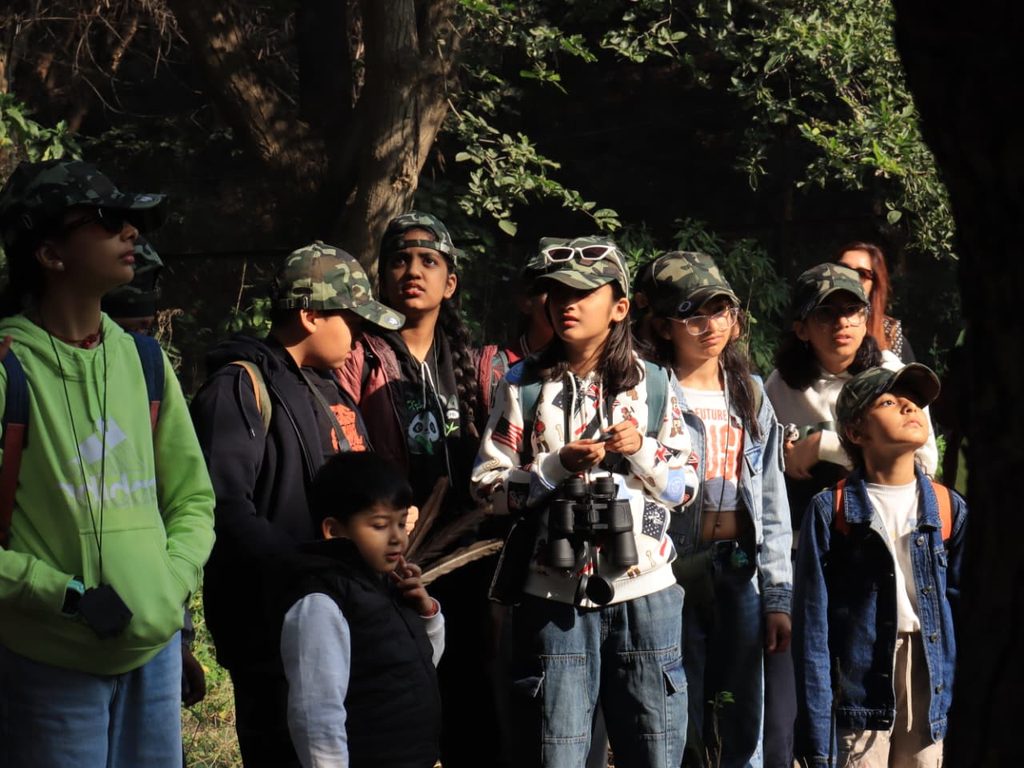
Not just a bird walk, but a journey into the forest
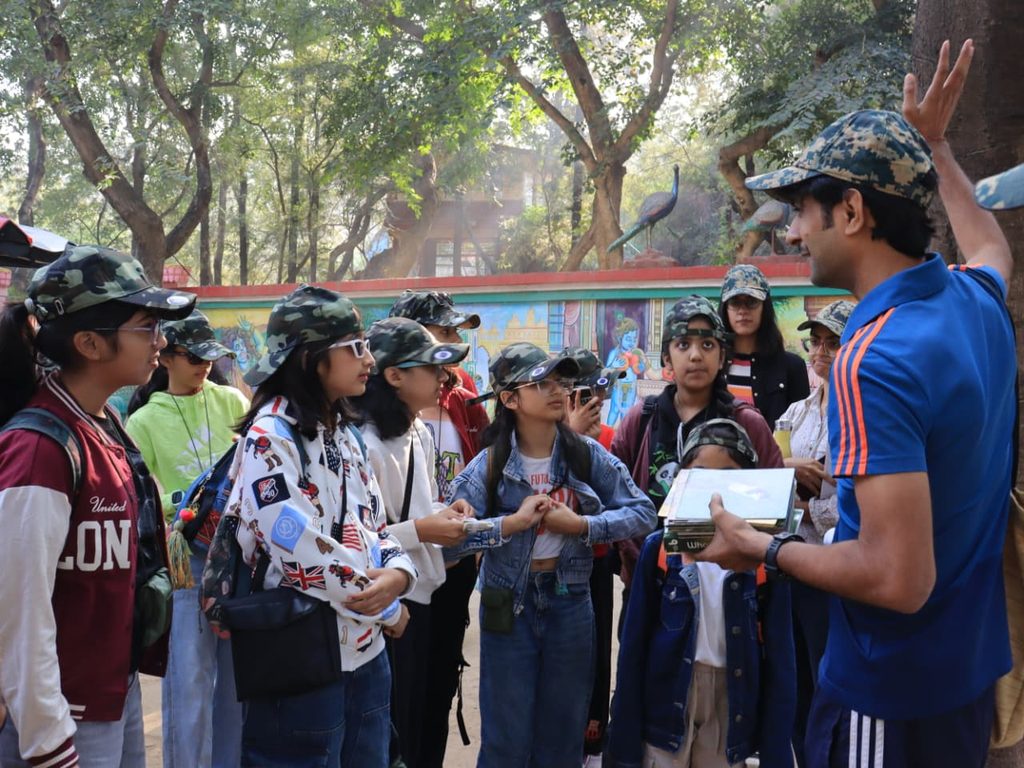
The programme began with an exploration of the natural landscape of Bhondsi Forest. As the children walked along the forest trails, they were introduced to the different elements that make an ecosystem function.
They explored trees, shrubs and herbs, learned about native and non-native tree species and discovered the ecological importance of algae, mushrooms and fungi.
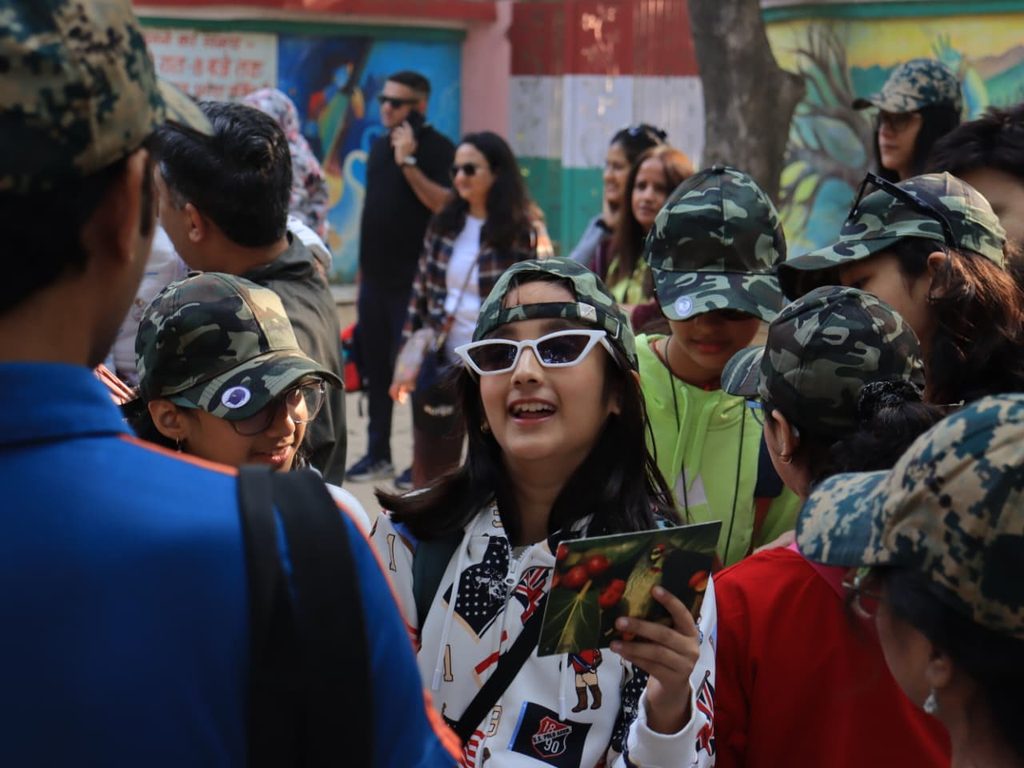
The conversations went beyond identifying plants and organisms.
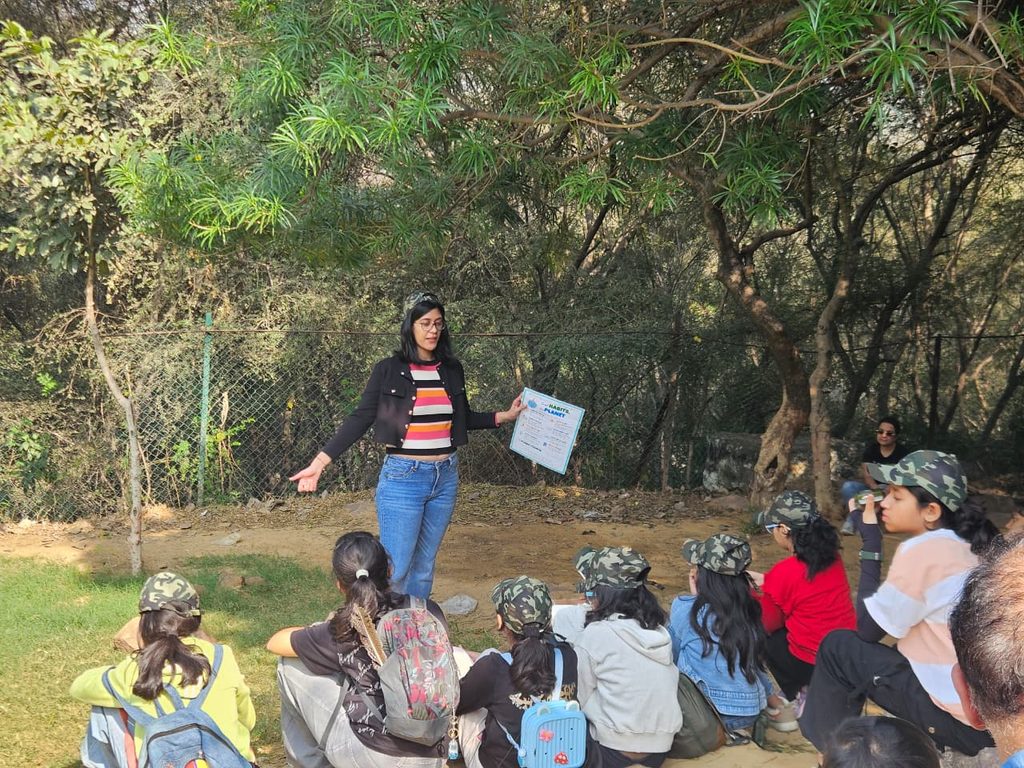
Why are native trees important? What happens when forests lose their natural vegetation? Why do mushrooms grow on decaying wood? How do birds depend on trees, insects, water and suitable nesting spaces?
These were some of the ecological questions that helped turn an ordinary forest walk into an engaging learning experience.
The children also explored the relationship between birds and their habitats, understanding that protecting birds means protecting the ecosystems they depend on.
Why Bhondsi Forest matters to Gurugram
Gurugram is often associated with high-rise buildings, corporate offices, expressways and rapid urban development. But beyond the city’s concrete landscape lies an important natural heritage: the Aravalli hills.
The Aravallis are among the oldest geological formations in the world and form an important ecological landscape across north-western India.
The forest ecosystems around Gurugram support native vegetation and wildlife, contribute to local ecological resilience and form part of a landscape that is increasingly important as the city expands.
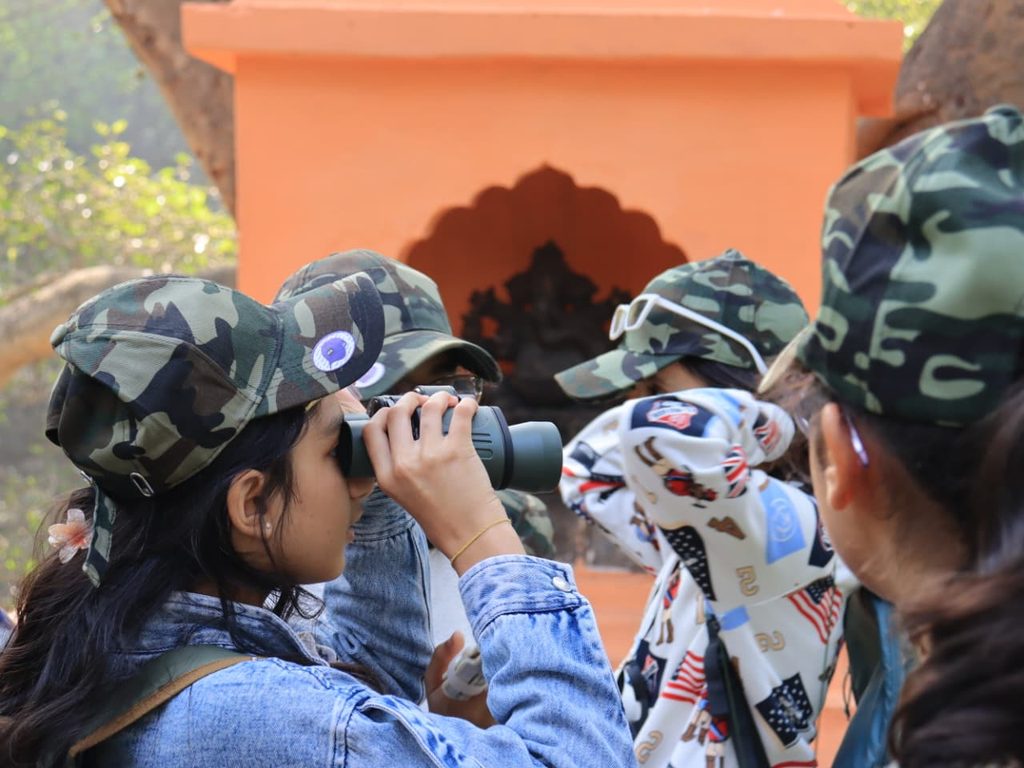
Bhondsi and the surrounding Aravalli landscape offer something that no conventional classroom can fully recreate: an opportunity to experience biodiversity in its natural setting.
For children growing up in an urban environment, visiting such places can change the way they look at their own city.
A tree is no longer just a tree. It becomes a habitat. A mushroom is no longer just something growing on the forest floor. It becomes part of nature’s nutrient recycling system. And a bird becomes more than a beautiful sight; it becomes an important member of an interconnected ecosystem.
Learning to see what we usually overlook
One of the most interesting aspects of the adventure was the exploration of organisms that rarely receive attention in everyday conversations about wildlife.
Birds and large trees often dominate our understanding of biodiversity. However, a healthy forest also depends on smaller plants, fungi, algae and countless other organisms.
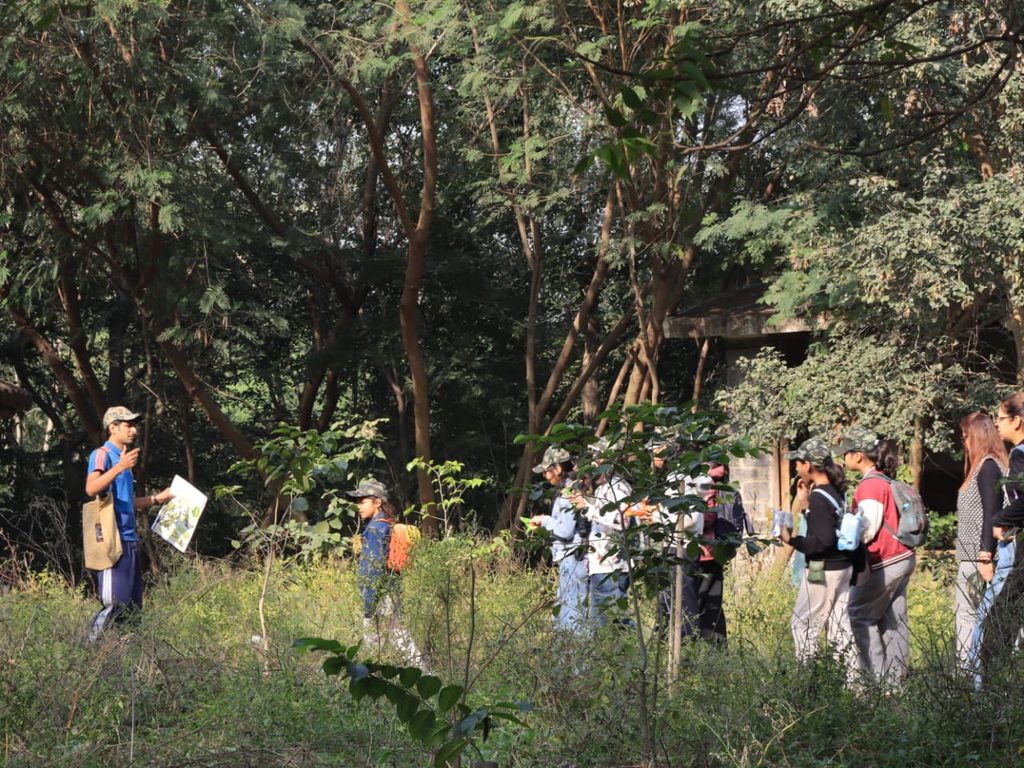
The children explored how fungi contribute to decomposition and nutrient cycling, how vegetation provides food and shelter, and why different species play different roles in maintaining ecological balance.
They also discussed the importance of native tree species in supporting local biodiversity.
In a rapidly urbanising city like Gurugram, these conversations are especially relevant. Urban development and habitat fragmentation make the protection and restoration of natural ecosystems increasingly important.
Understanding nature is the first step towards valuing it.
Taking environmental education outside the classroom
Environmental education is often limited to textbook chapters, school assignments and occasional awareness programmes.
But children understand the natural world differently when they experience it themselves.
Walking through a forest, observing vegetation, listening to birds and asking questions creates a connection that is difficult to develop through classroom teaching alone.
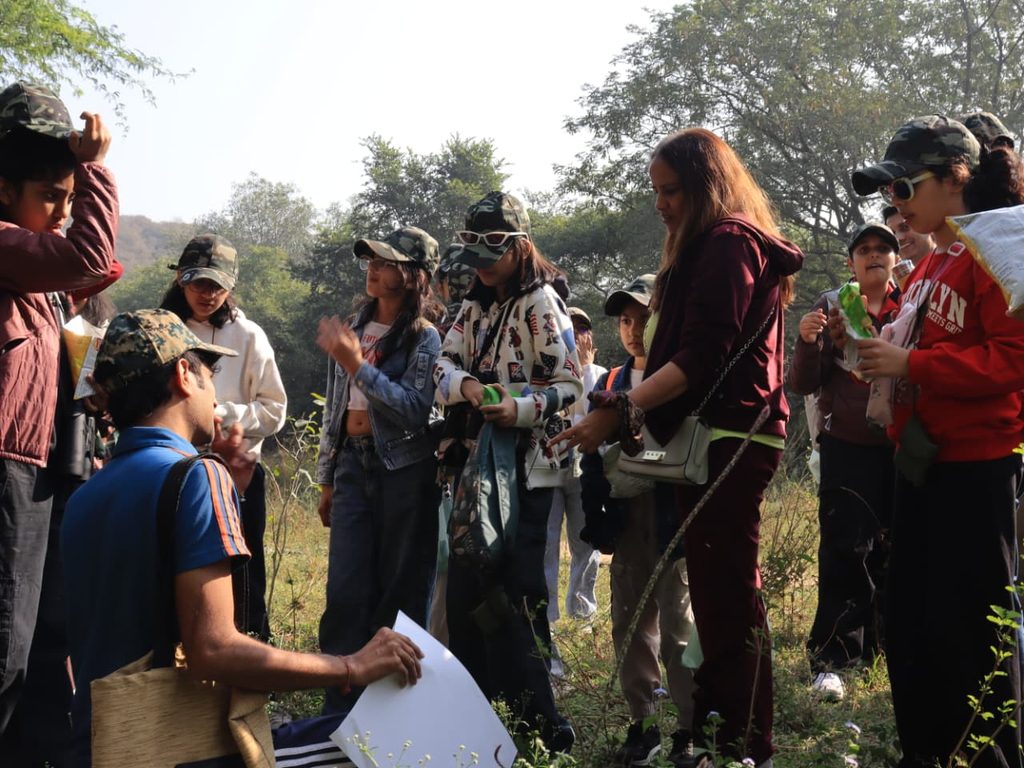
This is the idea behind Green Pencil Foundation’s nature-based learning initiatives: giving children opportunities to explore their surroundings, understand ecological relationships and develop a sense of responsibility towards the environment.
The Great Bird Adventure was facilitated by Sandy Khanda, Mehak Choudhary, Aakash Mahato, Nitin Kumar and Vidhi Tayal from Green Pencil Foundation.
The programme was organised as part of Young Birders’ Month 2026, an initiative encouraging young people to develop an interest in birds, birdwatching and nature conservation.
The future of Gurugram’s environment also depends on its children
Gurugram is growing rapidly. New roads, buildings and residential developments are changing the city’s landscape.
But as the city grows, an equally important question deserves attention: are our children getting opportunities to understand the natural ecosystems that surround them?
Environmental responsibility cannot begin only when someone becomes an adult. It develops through small experiences, everyday observations and opportunities to connect with nature.
A child who learns to identify a native tree may become more conscious about urban plantation. A child who understands bird habitats may begin to notice the loss of green spaces. A child who discovers fungi may develop an entirely new appreciation for the hidden processes that keep forests alive.
These may seem like small beginnings, but meaningful environmental change often starts with curiosity.
For Green Pencil Foundation, The Great Bird Adventure was not simply about organising another nature walk. It was about creating an experience that children could carry back home, to their schools and into their everyday lives.
Because sometimes, the most important environmental lesson is not about what we should do for nature.
It is about understanding that we are already a part of it.
And perhaps the next generation of conservationists in Gurugram will begin their journey with a simple morning walk through the Aravallis.