Sirsi Chainpur, Bihar | 21 November 2026
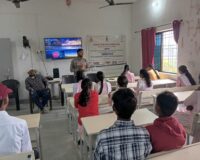
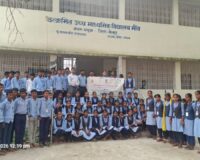
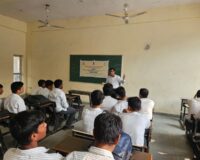
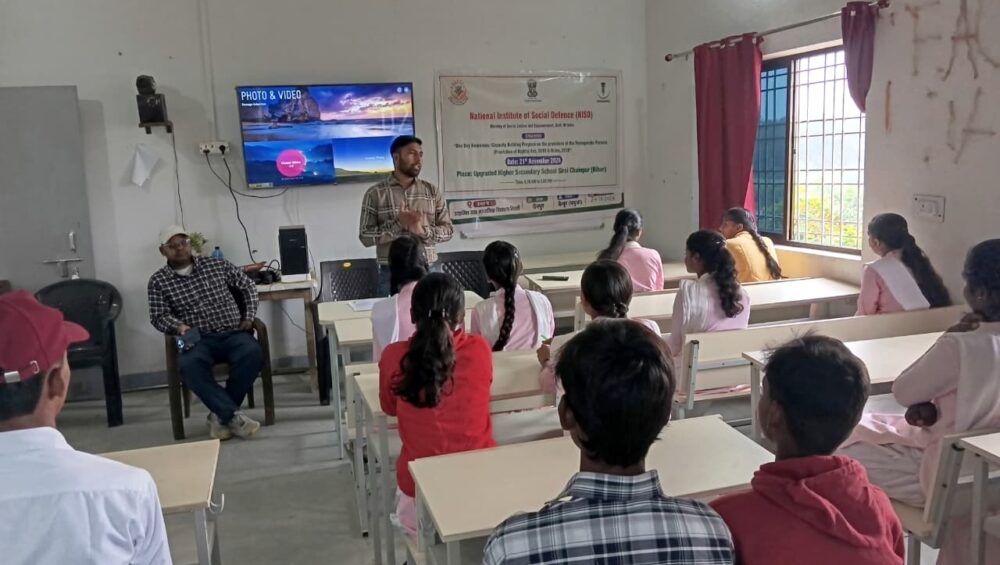
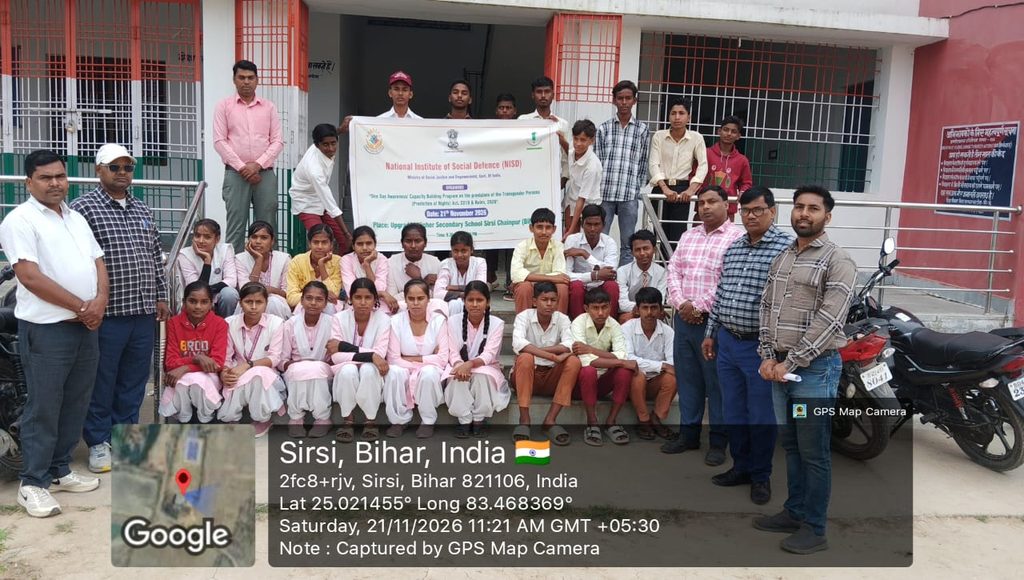
An inclusive society begins when people understand one another, respect differences and recognise that dignity and equal rights belong to everyone. Taking an important step towards building such a society, the National Institute of Social Defence (NISD), under the Ministry of Social Justice and Empowerment, Government of India, organised a One-Day Awareness and Capacity Building Programme on the Transgender Persons (Protection of Rights) Act, 2019 and Rules, 2020, at Upgraded Higher Secondary School, Sirsi Chainpur, Bihar.
The programme was held on 21 November 2026, from 9:30 AM to 5:30 PM, with Green Pencil Foundation associated with the initiative.
The programme focused on strengthening awareness and understanding of transgender rights, legal protections and the importance of creating respectful, inclusive and discrimination-free educational and social environments.
Why Awareness of Transgender Rights Matters
For many transgender individuals, discrimination is not limited to one aspect of life. It can affect access to education, employment, healthcare, public spaces, housing and opportunities to participate equally in society.
Schools and educational institutions have an especially important role in changing this reality. They are not merely places of academic learning; they are spaces where children develop values, attitudes and an understanding of diversity.
An inclusive school environment ensures that every student can learn without fear of discrimination, humiliation, harassment or exclusion.
The Transgender Persons (Protection of Rights) Act, 2019 provides an important legal framework to protect the rights of transgender persons. Some of its key provisions include:
- Section 3 – Prohibition against discrimination: Prohibits discrimination against transgender persons in education, employment, healthcare and access to public services, among other areas.
- Sections 4–7 – Recognition of identity: Provide for recognition of transgender identity and the process relating to certificates of identity.
- Section 9 – Employment rights: Prohibits discrimination in employment.
- Section 11 – Grievance redressal: Provides for a grievance redressal mechanism in establishments.
- Section 13 – Inclusive education: Requires government-funded or recognised educational institutions to provide inclusive education without discrimination.
- Section 15 – Healthcare facilities: Addresses healthcare facilities for transgender persons.
The Transgender Persons (Protection of Rights) Rules, 2020 further provide a framework for implementing the provisions of the Act. India Code+2
Building Awareness Through Education and Community Engagement
The programme at Upgraded Higher Secondary School, Sirsi Chainpur, Bihar, reflects the importance of taking conversations around gender equality and social justice into educational institutions.
Legal awareness is meaningful when people can connect laws with everyday experiences. Understanding transgender rights should not remain limited to legal documents or policy discussions. It must translate into respectful behaviour, inclusive institutional practices and equal opportunities.
Teachers, students, educational administrators and community stakeholders can all contribute to creating an environment where nobody is judged, excluded or denied opportunities because of their gender identity.
Green Pencil Foundation believes that meaningful social change begins with awareness, empathy and collective responsibility. Through educational initiatives and awareness programmes, the Foundation seeks to contribute towards a society where dignity, equality and human rights are respected.
Towards a Society Where Everyone Belongs
The programme carries an important message: inclusion is not an act of charity; it is a matter of dignity, equality and rights.
A truly progressive society is one where every individual can access education, pursue opportunities, participate in public life and live without fear of discrimination.
Creating that society requires more than legislation. It requires informed citizens, responsible institutions and a willingness to challenge prejudice.
Through initiatives such as this awareness and capacity-building programme, the National Institute of Social Defence, the Ministry of Social Justice and Empowerment, Government of India, and Green Pencil Foundation are contributing to the wider conversation on transgender rights and inclusive social development.
Because equality becomes meaningful only when it reaches every classroom, every community and every individual.