Through birdwatching, field observations and the simple act of listening to birds, Green Pencil Foundation brought university students closer to urban biodiversity as part of Young Birders Month 2026.
A bird’s call can sometimes tell us more about a place than we realise. You only need to stop, listen and look around.
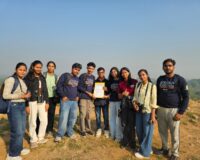
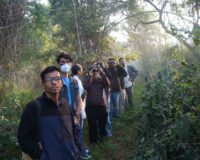
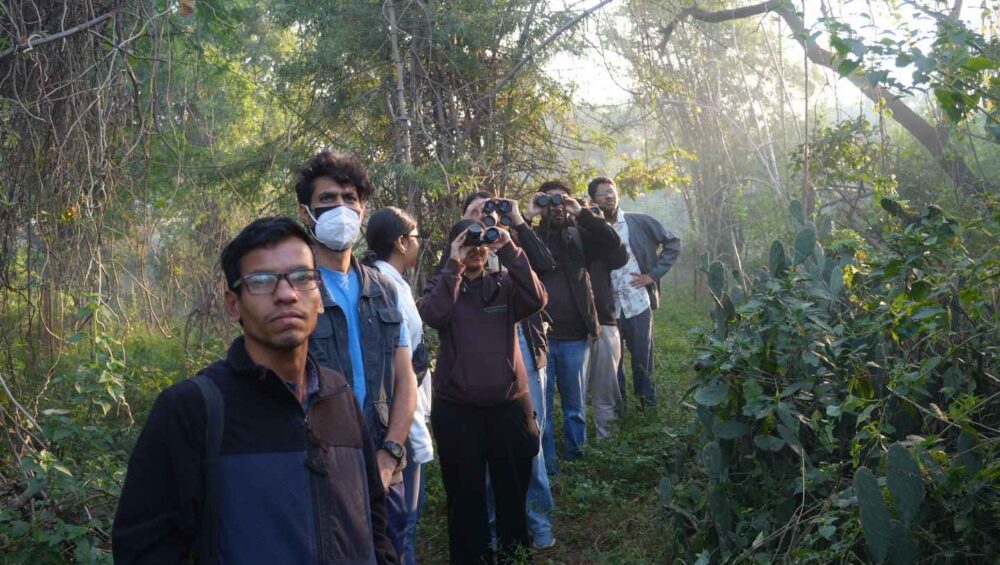
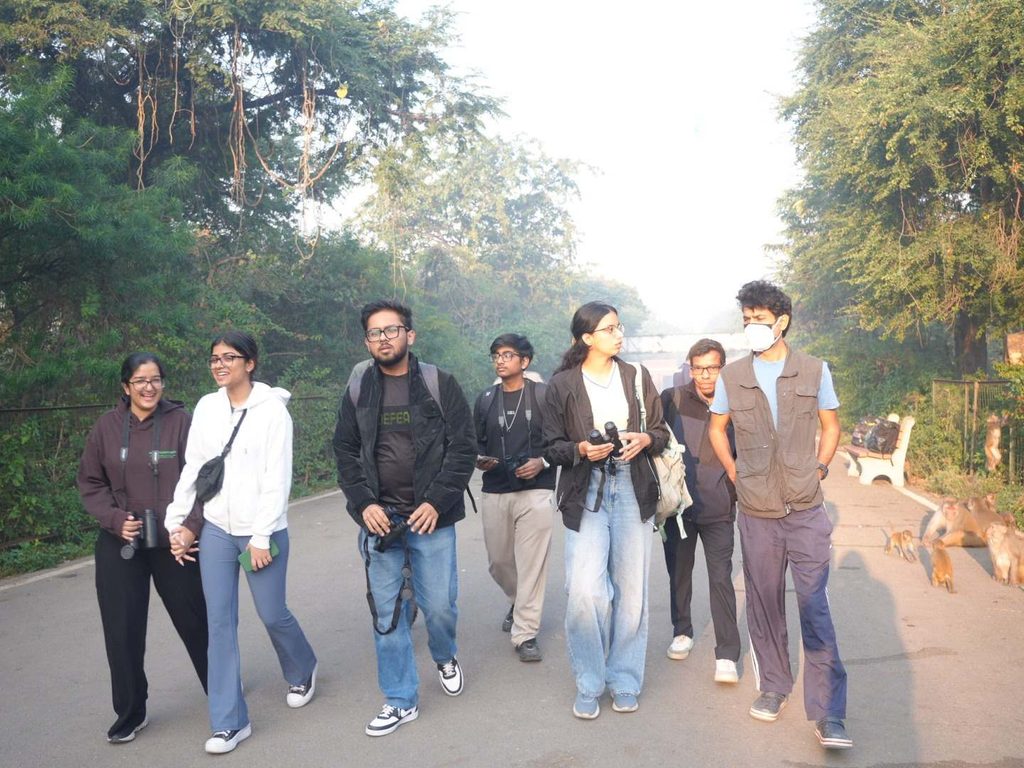
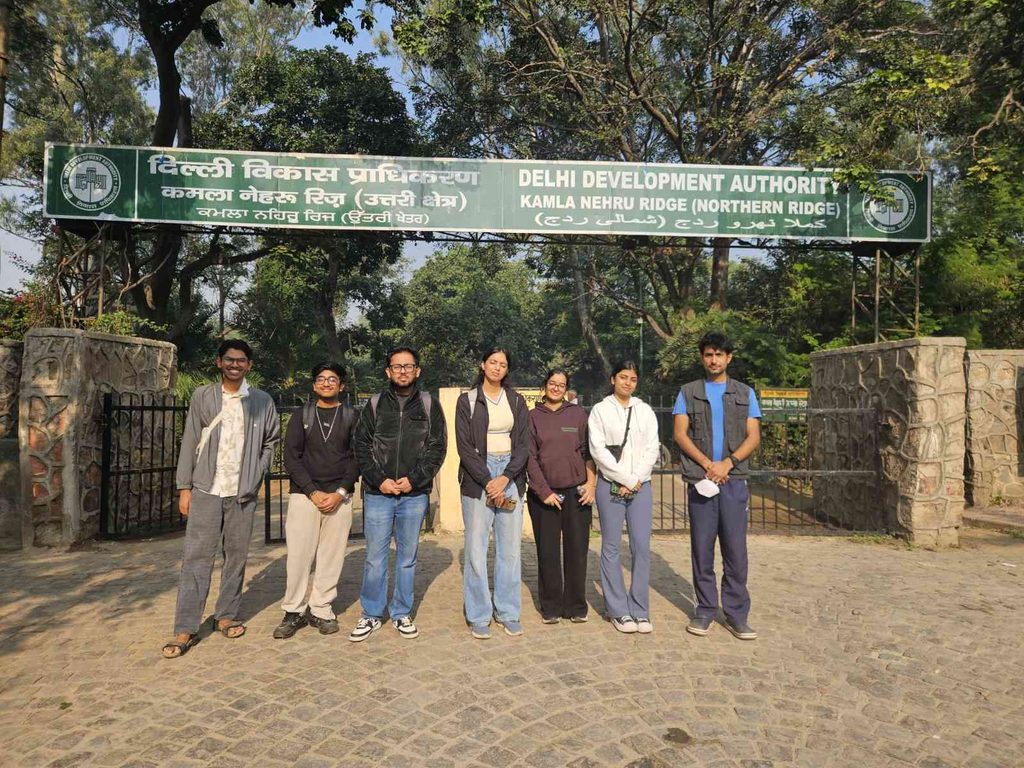
On the morning of 19 November 2026, a group of university students stepped away from their usual campus routine and entered the green landscape of Kamla Nehru Central Ridge in Delhi. Their purpose was simple: to discover birds, understand their behaviour and experience nature beyond the pages of a textbook.
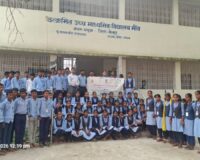
Organised by Green Pencil Foundation, The Great Bird Adventure brought together students from Enactus, Ramjas College, University of Delhi, for a guided bird and nature walk from 7:30 AM to 10:00 AM.
The activity was organised under Young Birders Month 2026, an initiative encouraging young people to explore birds, develop observation skills and build a deeper connection with the natural world.
Learning to See Nature Differently
The walk was designed around an important idea: birdwatching is not simply about identifying different species; it is about learning to observe the environment more carefully.
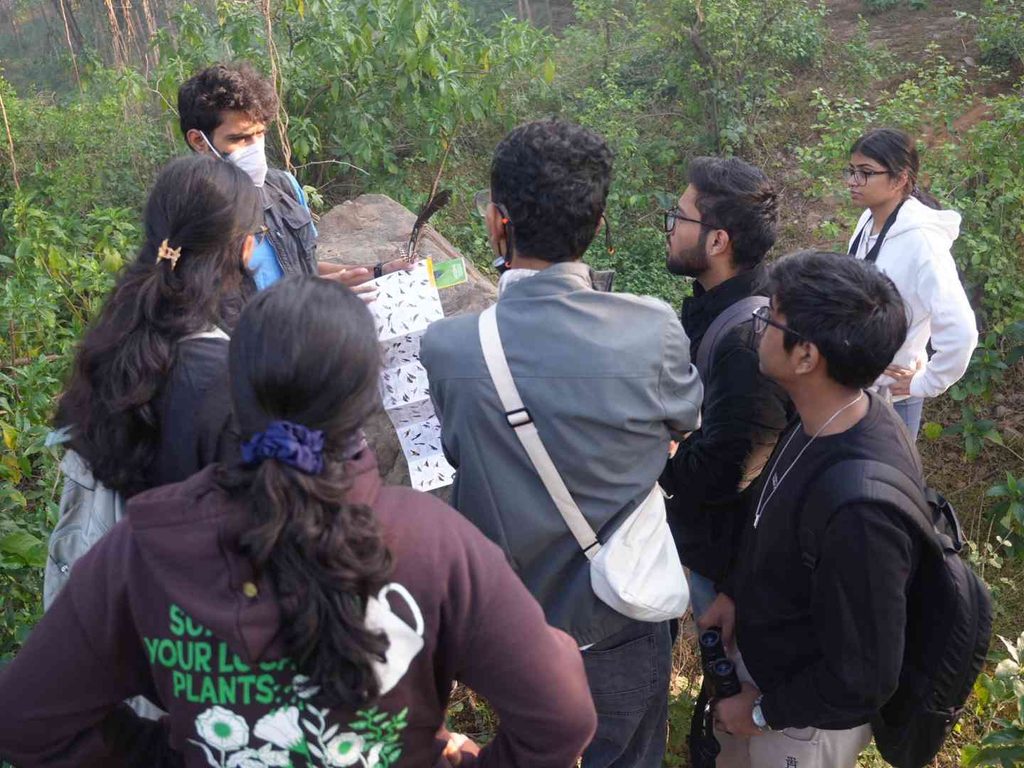
During the walk, students explored different ways of identifying birds through their natural calls and sounds. They learned to pay attention to movement, feeding patterns, behaviour and other visible characteristics that help distinguish one bird from another.
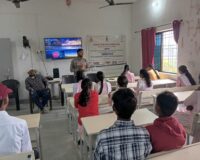
Bird field guides were introduced as practical learning resources, helping participants understand how bird identification works in the field. Rather than relying only on photographs or information available online, students were encouraged to observe birds patiently and connect their observations with field references.
The experience also introduced students to the importance of listening. In a busy city like Delhi, bird calls often go unnoticed amid traffic, construction and everyday human activity. Taking time to listen to these sounds offered a different perspective on the natural world around them.
Why Kamla Nehru Central Ridge Matters
The choice of location was an important part of the experience.
Delhi’s Ridge is an extension of the ancient Aravalli mountain range, one of India’s oldest geological formations. It is an important ecological landscape within the national capital, supporting wildlife, native vegetation and essential environmental functions.
According to the Delhi Forest Department, the Ridge covers approximately 7,784 hectares across its four sections: Northern, Central, South-Central and Southern Ridge. Wildlife Wing Delhi+1
The biodiversity of Delhi makes this landscape particularly important for nature education. The Government of Delhi’s Wildlife Wing records 471 bird species across Delhi, highlighting the remarkable avian diversity that exists within and around the capital. Govt. of NCT of Delhi
These figures remind us that biodiversity is not limited to distant forests, national parks or wildlife sanctuaries. It exists within our cities, sometimes just a few minutes away from our homes, colleges and workplaces.
For students, experiencing this landscape firsthand helped bring environmental learning closer to everyday life.
Young People, Birdwatching and the Power of Observation
One of the most meaningful aspects of The Great Bird Adventure was the participation of university students.
Students from Enactus, Ramjas College, University of Delhi, came together to explore nature through a hands-on experience. The walk created opportunities for curiosity, discussion and shared discoveries.
For many young people, nature education is often limited to classroom discussions, textbooks and environmental awareness campaigns. Activities like guided bird walks offer something different: the opportunity to experience biodiversity directly.
Participants explored how birdwatching requires patience, attention and curiosity. A sound coming from a tree, a bird moving between branches or a particular behavioural pattern could become an opportunity to learn something new.
The experience also encouraged participants to appreciate the importance of protecting urban green spaces and the wildlife that depends on them.
Memorable Moments and Participant Experience
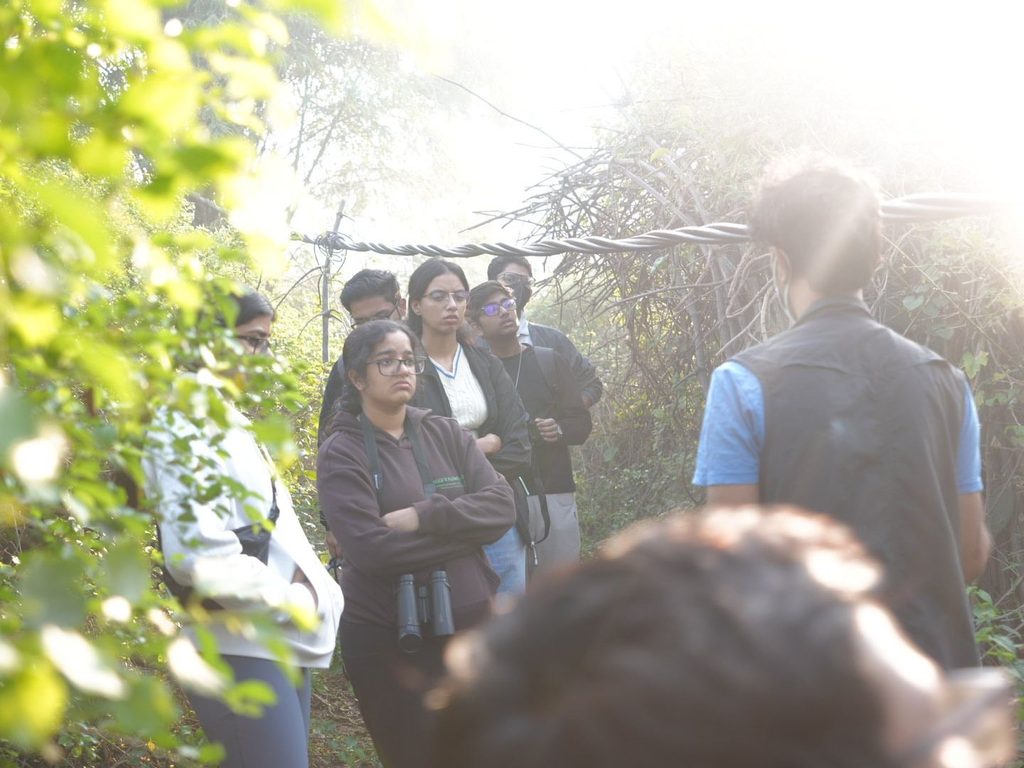
Some of the most memorable moments of the morning came from the simple act of discovering nature together.
The excitement of identifying birds through their calls, observing their movements and referring to field guides made the experience engaging and interactive.
Participants appreciated the opportunity to step outside their regular academic environment and learn through direct observation. The walk also encouraged conversations about bird diversity, wildlife conservation and the importance of making young people more aware of their surrounding ecosystems.
Beyond bird identification, the experience offered something equally valuable: a chance to slow down, observe and develop a closer relationship with nature.
Building a Generation That Cares About Nature
At Green Pencil Foundation, we believe environmental education should move beyond awareness and create meaningful experiences that encourage people to connect with the natural world.
Young people do not always need another lecture about climate change or biodiversity. Sometimes, they need an opportunity to walk through a forest, listen to birds, observe butterflies and understand why these small experiences matter.
Birdwatching can be an effective starting point for developing environmental curiosity. It encourages observation, scientific thinking, patience and respect for other living beings.
Through Young Birders Month 2026, Green Pencil Foundation aims to encourage more young people to explore birds and understand the importance of conserving their natural habitats.
The Great Bird Adventure was facilitated by Mr. Sandy Khanda and Mr. Aakash Mahato, representing Green Pencil Foundation.
The Foundation acknowledges the participation of Enactus, Ramjas College, University of Delhi, and appreciates the enthusiasm of all the students who joined the morning exploration.
The Adventure Does Not End Here
The Great Bird Adventure was more than a morning walk. It was a reminder that meaningful environmental learning can begin with something as simple as listening to a bird.
As cities continue to expand and natural habitats face increasing pressure, creating opportunities for young people to experience biodiversity becomes even more important.
We hope the students who joined this walk carry forward the habit of observing birds, appreciating urban biodiversity and encouraging others to connect with nature.
Because conservation begins when we start noticing what exists around us.
Let’s make birdwatching a habit, nature education a part of everyday learning, and young people the ambassadors of biodiversity conservation.